
Introduction
Dermaplaning is a popular facial treatment that involves gently scraping away dead skin cells and fine hair, commonly known as peach fuzz, to reveal a smoother, brighter complexion. If you’ve been searching for “dermaplaning facial near me,” you’re likely interested in uncovering more about this service, including where to find trusted clinics and what to expect during the treatment.
In this comprehensive guide, we’ll explore the benefits, potential risks, and costs associated with dermaplaning. Additionally, we’ll provide insights into how you can find reputable clinics offering dermaplaning services near you. Whether you’re a skincare enthusiast or new to dermaplaning, this guide will equip you with the knowledge you need to make an informed decision.
Understanding Dermaplaning
Dermaplaning is a non-invasive cosmetic procedure performed by licensed estheticians or dermatologists. Using a sterile surgical scalpel, the professional gently exfoliates the skin’s surface, removing dead skin cells and fine vellus hair. The process promotes cell regeneration and leaves the skin feeling smooth and looking radiant. For more information on skin exfoliation techniques, you can visit Cleveland Clinic.
Benefits of Dermaplaning
The primary benefits of dermaplaning include:
- Exfoliation: By removing dead skin cells, dermaplaning enhances the skin’s texture and tone. Learn more about the benefits of exfoliation from WebMD.
- Improved Product Absorption: Post-treatment, skincare products penetrate deeper, maximizing their efficacy.
- Smoother Makeup Application: Without peach fuzz, makeup goes on smoother and looks more flawless.
- Radiant Complexion: The removal of dull, dead skin reveals a fresh, glowing complexion.
Potential Risks and Considerations
While dermaplaning is generally safe, it’s essential to consider potential risks:
- Skin Sensitivity: Post-treatment, the skin may be more sensitive to sun exposure. It’s crucial to apply a broad-spectrum sunscreen. The American Academy of Dermatology provides a guide on choosing the right sunscreen.
- Minor Scrapes: Although rare, the scalpel can cause small nicks if not handled properly.
- Temporary Redness: Some individuals may experience temporary redness or irritation.
Finding Trusted Dermaplaning Clinics
When searching for “dermaplaning facial near me,” consider these tips to find a reputable clinic:
Verify Credentials
Ensure that the clinic employs certified estheticians or dermatologists. You can often find this information on the clinic’s website or by asking directly. Check reviews on platforms like Google Reviews or Yelp for feedback from previous clients.
Explore Clinic Environment
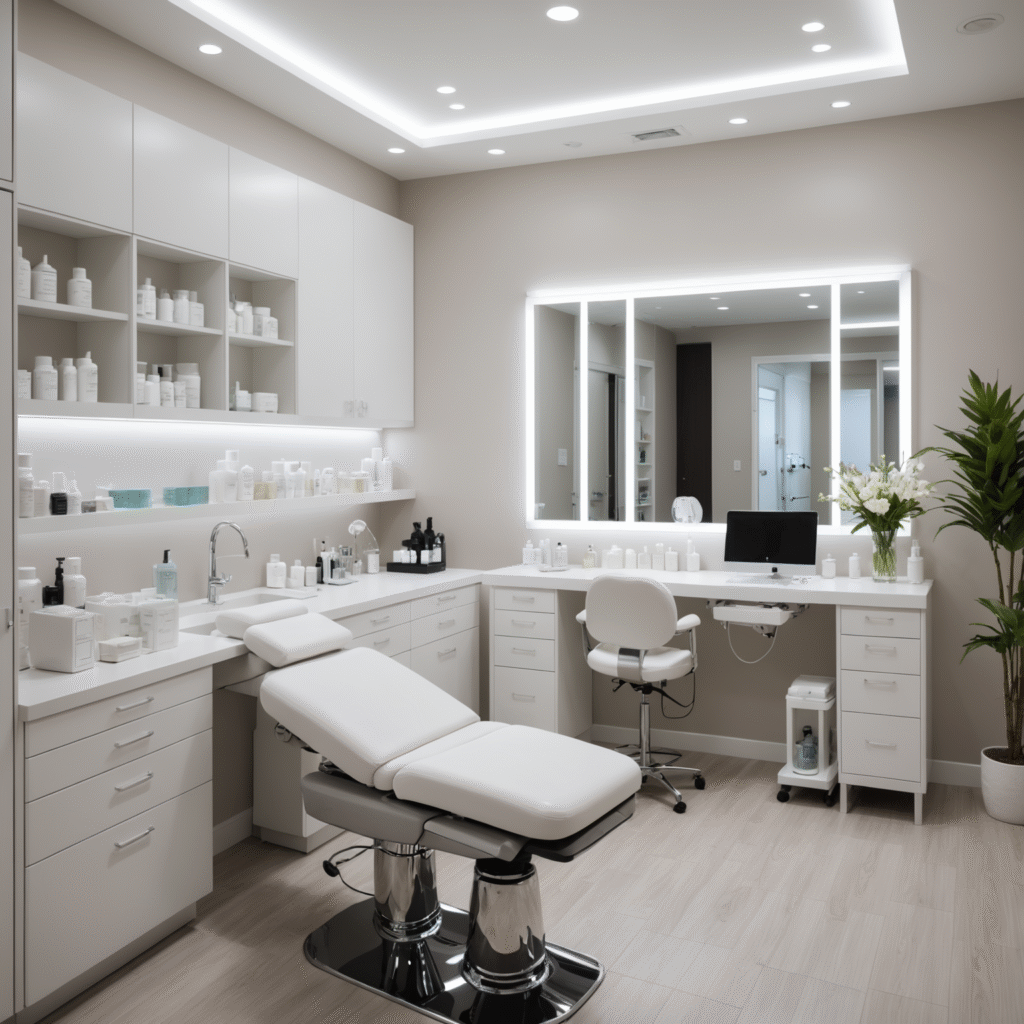
Visit the clinic to assess its cleanliness and professionalism. A well-maintained environment is crucial for any cosmetic procedure. Pay attention to the treatment room, ensuring it meets hygiene standards. For more on what to expect in a clinical setting, visit Mayo Clinic.
Ask About Equipment and Techniques
Inquire about the tools and techniques used for dermaplaning. It should be performed using sterile, single-use blades to minimize the risk of infection. The FDA provides guidelines on maintaining safety in cosmetic procedures.
Consultation
Schedule a consultation to discuss your skin type and any concerns. This is an excellent opportunity to gauge the esthetician’s expertise and ensure they tailor the treatment to your needs.
Cost of Dermaplaning
The cost of dermaplaning varies based on location, the experience of the practitioner, and the clinic’s reputation. On average, you can expect to pay between $75 and $150 per session. Some clinics offer package deals for multiple sessions, which can be more cost-effective. For a detailed breakdown of cosmetic procedure costs, visit American Society of Plastic Surgeons.
Conclusion
Dermaplaning is an effective and safe facial treatment that can enhance your skin’s appearance. By understanding the benefits and risks and knowing how to find a trusted clinic, you can enjoy the full advantages of this treatment. Always prioritize safety and expertise when choosing a provider for dermaplaning.
FAQ
1. What is dermaplaning?
Dermaplaning is a cosmetic procedure that involves using a sterile scalpel to exfoliate the skin by removing dead cells and peach fuzz, resulting in a smoother complexion.
2. How often should I get a dermaplaning facial?
Typically, dermaplaning is recommended every 3 to 4 weeks to maintain optimal results. However, this may vary depending on individual skin types and needs. For personalized advice, consult with a professional from Stanford Health Care.
3. Is dermaplaning suitable for all skin types?
Dermaplaning is generally safe for most skin types, but those with active acne or sensitive skin conditions should consult a professional before the procedure.
4. Can I perform dermaplaning at home?
While at-home dermaplaning tools are available, it is safer and more effective to have the procedure done by a trained professional to avoid injury and achieve better results.
5. Will my hair grow back thicker after dermaplaning?
No, dermaplaning does not change the structure of hair follicles, so hair will not grow back thicker or darker.
6. What should I do after a dermaplaning session?
Post-treatment, use gentle skincare products, avoid direct sun exposure, and apply a broad-spectrum sunscreen to protect your skin.
7. How do I know if a clinic is reputable for dermaplaning?
Check the clinic’s credentials, read client reviews, and verify the qualifications of their estheticians or dermatologists to ensure a reputable service.
8. Are there alternatives to dermaplaning?
Yes, other exfoliation methods include chemical peels and microdermabrasion. Consult with a skincare specialist to determine the best option for your skin type. For more information on these alternatives, visit MedlinePlus.