

Introduction
Dermaplaning is a popular cosmetic procedure gaining traction for its immediate skin-smoothing results. However, some individuals experience what is often referred to as “dermaplaning regret.” Understanding the benefits and risks of dermaplaning is crucial for anyone considering this treatment. In this comprehensive guide, we will explore how dermaplaning works, delve into the potential benefits and risks, and provide insights into what you can expect if you choose to undergo this procedure.
What is Dermaplaning?
Dermaplaning is a non-invasive exfoliating treatment where a trained esthetician uses a sterile surgical scalpel to gently scrape away dead skin cells and fine facial hair (often referred to as “peach fuzz”) from the skin’s surface. This procedure aims to reveal a smoother, brighter complexion and can enhance the absorption of skincare products. According to Mayo Clinic, dermaplaning can be beneficial for those looking to improve skin texture and tone.
How Dermaplaning Works
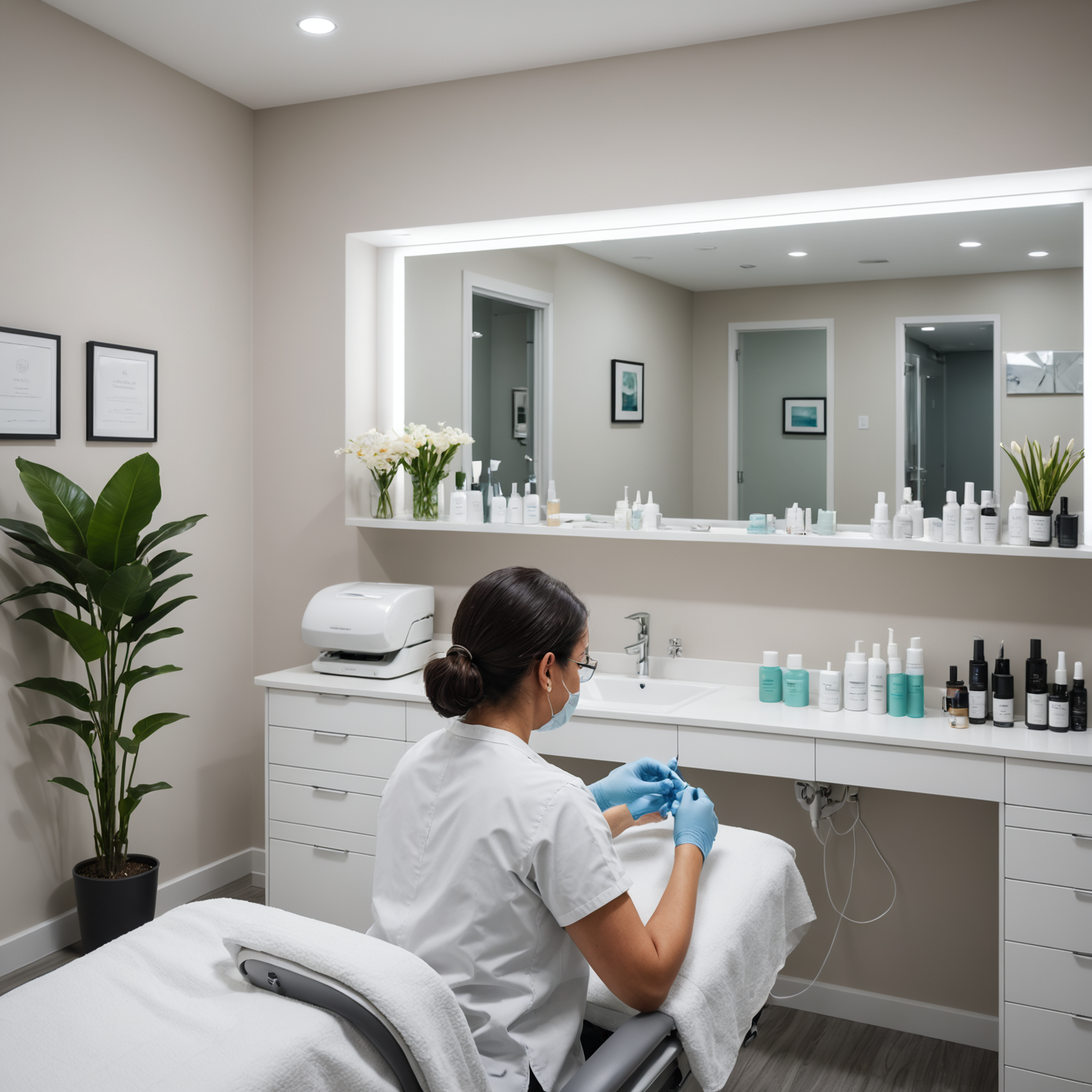
The process typically takes 30–45 minutes and is performed in a dermatologist’s or esthetician’s office. After cleansing the skin, the esthetician holds the skin taut and gently strokes the scalpel at a 45-degree angle across the skin. This action exfoliates the outer layer of dead skin cells and removes fine hair, resulting in a polished look.
Benefits of Dermaplaning
Immediate Skin Smoothness: One of the most notable benefits of dermaplaning is the instant smoothness it provides. The removal of dead skin cells and hair allows for a more refined surface.
Enhanced Product Absorption: By eliminating the build-up of dead skin, dermaplaning can improve the absorption of topical skincare products, making them more effective. The American Academy of Dermatology highlights the importance of exfoliation in enhancing skincare product efficacy.
Makeup Application: Makeup can be applied more smoothly and evenly, often yielding a longer-lasting finish.
Non-Invasive Procedure: Dermaplaning is non-invasive and requires no downtime, making it an attractive option for people with busy schedules.
Safe for All Skin Types: This treatment is generally safe for all skin types, including sensitive skin, as long as it’s performed by a skilled professional. WebMD provides a comprehensive overview of who might benefit most from dermaplaning.
Risks and Considerations
While dermaplaning offers several benefits, there are potential risks and drawbacks to consider:
Temporary Redness: Some people may experience redness or a slight burning sensation immediately after treatment.
Risk of Infection: If not performed in a sterile environment or by a skilled professional, there is a risk of infection. The Centers for Disease Control and Prevention emphasizes the importance of infection control in clinical settings.
Uneven Skin Texture: Improper technique can lead to uneven skin texture, which may require additional treatments to correct.
Regrowth of Hair: Although dermaplaning removes facial hair, it does not alter the hair follicle. Hair will grow back but will not become thicker or darker as a result.
Not Suitable for Active Acne: Individuals with active acne or cold sores should avoid dermaplaning, as it may exacerbate these conditions. Healthline discusses the contraindications for dermaplaning in detail.
How to Minimize Dermaplaning Regret
To ensure a positive dermaplaning experience, consider the following:
Choose a Qualified Professional: Always seek treatment from a licensed and experienced esthetician or dermatologist. Check their credentials and reviews to ensure they adhere to safety standards. The American Society of Plastic Surgeons provides guidance on finding qualified professionals.
Pre-Treatment Consultation: Discuss any skin concerns or conditions with your provider before undergoing the procedure. This can help tailor the treatment to your specific needs.
Post-Treatment Care: Follow all post-treatment instructions, including avoiding sun exposure and using gentle skincare products to protect your skin.
Manage Expectations: Understand that results can vary based on individual skin types and conditions. Have a realistic expectation of what dermaplaning can achieve.
Conclusion
Dermaplaning can offer a range of benefits, from smoother skin to improved product absorption, but it’s not without its risks. Understanding these factors can help you make an informed decision and minimize the likelihood of dermaplaning regret. Whether you’re considering this procedure in California or exploring other cosmetic options like Botox in Minnesota, always prioritize choosing a qualified professional to ensure the best results.
FAQ
What is dermaplaning regret?
Dermaplaning regret refers to dissatisfaction or adverse effects experienced after undergoing a dermaplaning treatment, often due to unmet expectations or improper procedure execution.
Can dermaplaning cause hair to grow back thicker?
No, dermaplaning does not change the texture or color of hair. The hair will regrow at its natural rate and texture.
Is dermaplaning suitable for all skin types?
While generally safe for most skin types, those with active acne or highly sensitive skin should consult with a professional to determine if dermaplaning is appropriate.
How often should I get dermaplaning?
The frequency of dermaplaning treatments depends on individual skin needs, but typically, it can be performed every 3 to 4 weeks.
What should I do if I experience redness after dermaplaning?
Mild redness is common and usually resolves within a few hours. Use gentle, hydrating skincare and avoid sun exposure until the redness subsides.
Are there alternatives to dermaplaning?
Yes, alternatives include chemical peels, microdermabrasion, and laser treatments, depending on your skin type and goals. For more options, consider exploring cosmetic treatments in Miami.
How should I care for my skin post-dermaplaning?
After dermaplaning, use a gentle cleanser, hydrating moisturizer, and broad-spectrum sunscreen to protect your newly exfoliated skin.
Where can I find reliable dermaplaning services?
Seek services from licensed professionals in reputable clinics. If interested in other cosmetic treatments, check out the latest Botox news to stay informed.