Introduction
In the world of skincare, the Hydrafacial has gained significant popularity for its ability to rejuvenate and hydrate the skin. With its promise of a clearer, more hydrated skin tone, many are curious about the cost associated with this treatment. If you’re wondering, “how much is a Hydrafacial?” you’re in the right place. This guide will provide you with a comprehensive overview of what to expect in terms of pricing and the factors that can influence the cost. We’ll also cover the benefits and what you should anticipate from the treatment itself.
Understanding the Hydrafacial Treatment
The Hydrafacial is a non-invasive skincare treatment that combines cleansing, exfoliation, extraction, hydration, and antioxidant protection. It is designed to improve the appearance of fine lines, wrinkles, congested and enlarged pores, oily or acne-prone skin, and hyperpigmentation. For more information on managing acne-prone skin, visit WebMD’s guide on acne.
Key Components of a Hydrafacial
Cleansing and Exfoliation: The treatment begins with the removal of dead skin cells and excess sebum from the skin’s surface. Learn more about the importance of exfoliation on Healthline.
Acid Peel: A gentle acid peel is applied to loosen dirt and debris from the pores without irritation.
Extraction: Painless suction is used to draw out blackheads and impurities.
Hydration: The skin is then hydrated with nourishing serums that promote elasticity and radiance.
Benefits
- Immediate results with no downtime
- Suitable for all skin types
- Customizable to address specific skin concerns
How Much is a Hydrafacial?
The cost of a Hydrafacial can vary widely based on several factors. On average, you can expect to pay between $150 to $300 per session. However, the price can be influenced by:
- Location: Treatments in urban areas or cities typically cost more than those in suburban or rural areas.
- Provider Expertise: Treatments performed by highly experienced estheticians or dermatologists may come at a premium.
- Treatment Complexity: Sessions that include additional steps or enhancements, such as LED light therapy or lymphatic drainage, can increase the cost. For more information on LED light therapy, see Mayo Clinic’s overview.
- Package Deals: Many clinics offer package deals for multiple sessions, which can reduce the overall cost per treatment.
What to Expect During a Hydrafacial
Preparation
Before your Hydrafacial, it’s recommended to avoid any harsh skincare treatments like chemical peels or laser procedures. Arrive at your appointment with a clean face free from makeup. For pre-treatment skincare tips, refer to Cleveland Clinic’s skincare advice.
The Procedure
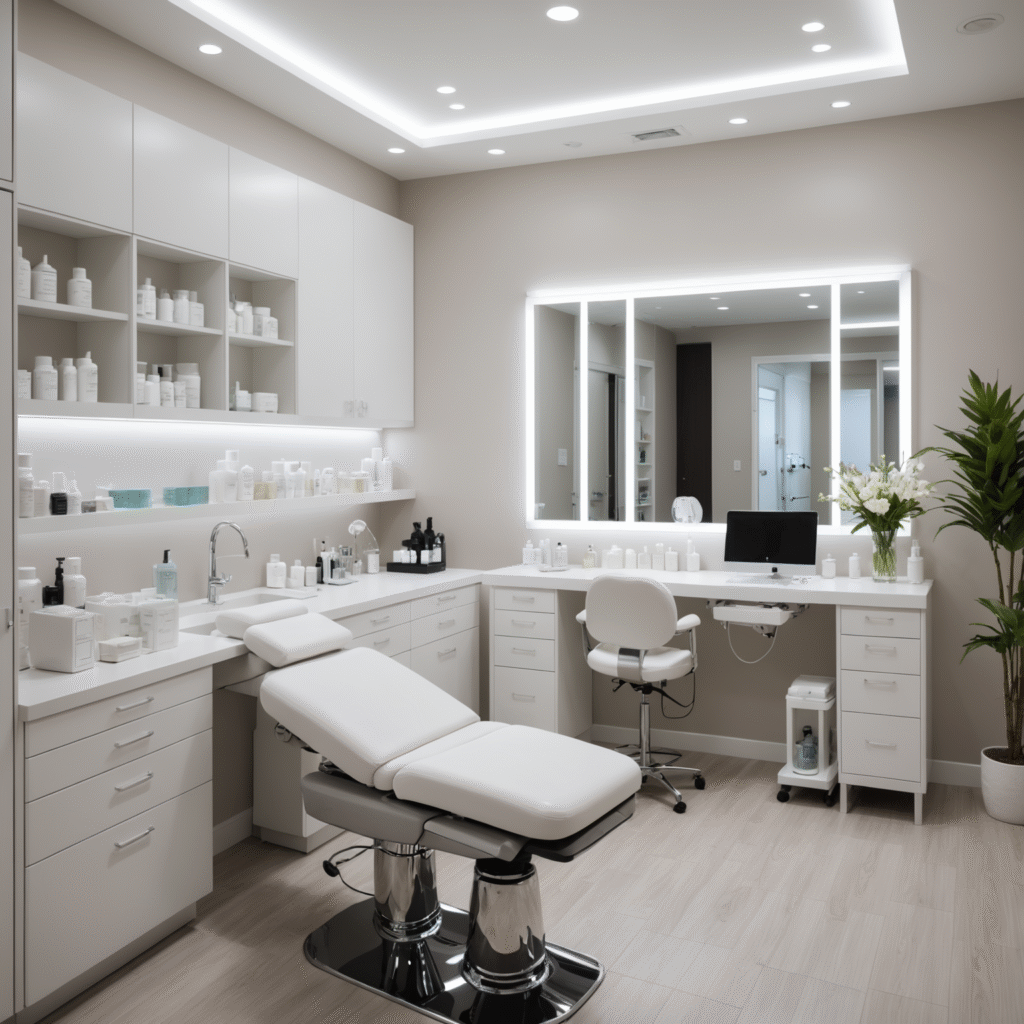
The entire process takes about 30 to 60 minutes. You can expect a relaxing experience where the esthetician will gently work the machine over your face. The sensation is often described as a light massage.
Post-Treatment Care
One of the major perks of the Hydrafacial is that there is no downtime. You can return to your normal activities immediately after. However, it’s advisable to refrain from applying heavy makeup or using harsh skincare products for at least 24 hours. For post-treatment care tips, check MedlinePlus.
Comparing Hydrafacial to Other Treatments
Hydrafacial is often compared to other facial treatments such as microdermabrasion or chemical peels. While each has its unique benefits, Hydrafacial is particularly favored for its gentleness and immediate results without irritation. For a comparison of these treatments, visit AAD’s guide on cosmetic procedures.
Conclusion
A Hydrafacial can be a worthy investment for those seeking a non-invasive and effective skincare treatment. By understanding the factors that influence the cost and knowing what to expect, you can better prepare for this rejuvenating experience. Whether you’re tackling acne, fine lines, or simply want to boost your skin’s hydration, the Hydrafacial offers a versatile solution suitable for all skin types.
FAQ
How often should I get a Hydrafacial?
For optimal results, it’s recommended to undergo a Hydrafacial treatment every four to six weeks. This frequency can help maintain skin health and address specific concerns over time. For more on maintaining skin health, see NIH’s skin care tips.
Is there any downtime after a Hydrafacial?
No, one of the advantages of a Hydrafacial is that there is no downtime. You can resume your daily activities immediately after the treatment.
Can I combine a Hydrafacial with other treatments?
Yes, many choose to combine Hydrafacials with other treatments like Botox. For more information, check out how long it takes for Botox to kick in if you plan to blend treatments.
Are there any side effects to a Hydrafacial?
Side effects are minimal, with some people experiencing slight redness immediately after the treatment. This usually subsides within a few hours.
Is a Hydrafacial suitable for sensitive skin?
Yes, Hydrafacial is gentle and suitable for sensitive skin. However, always consult with a skincare professional to ensure the treatment is right for you. For more on sensitive skin care, visit WebMD.
How does a Hydrafacial differ from microdermabrasion?
While both treatments exfoliate the skin, Hydrafacial is less abrasive and includes hydrating serums, making it suitable for sensitive skin.
What results can I expect after a single session?
You can expect noticeably clearer, more hydrated skin with a radiant glow. The treatment can also improve the appearance of fine lines and reduce pore size.
Can men benefit from Hydrafacials?
Absolutely! Hydrafacials are beneficial for all genders and can address issues like oily skin, clogged pores, and uneven texture.