
Introduction
Chemical peels are a popular cosmetic treatment designed to rejuvenate the skin by removing its outer layers. This process can address various skin concerns, including acne scars, wrinkles, and pigmentation issues. Understanding the chemical peel process day by day is crucial for anyone considering this treatment. In this comprehensive guide, we will explore the day-by-day journey of a chemical peel, discuss its benefits and risks, and outline what you can expect from this cosmetic procedure.
Understanding the Chemical Peel Process
Day 1: The Procedure
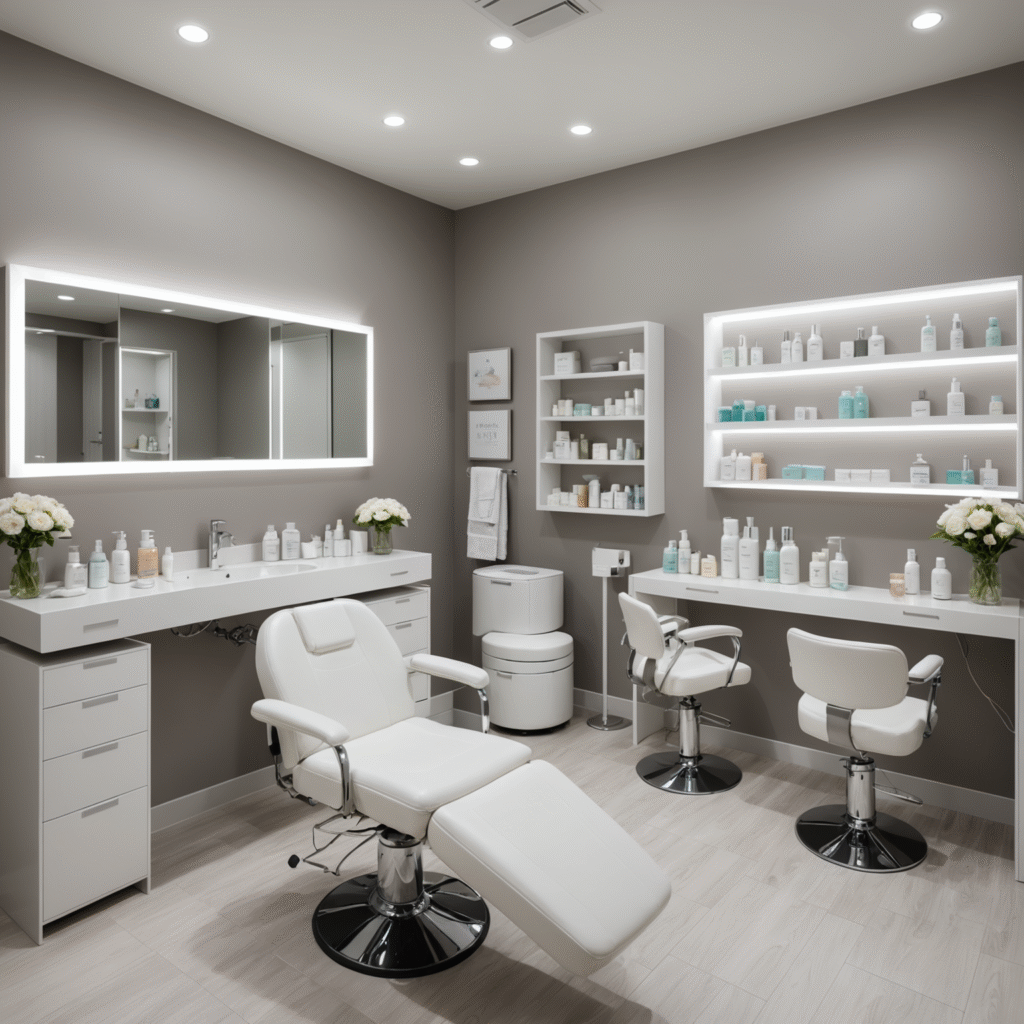
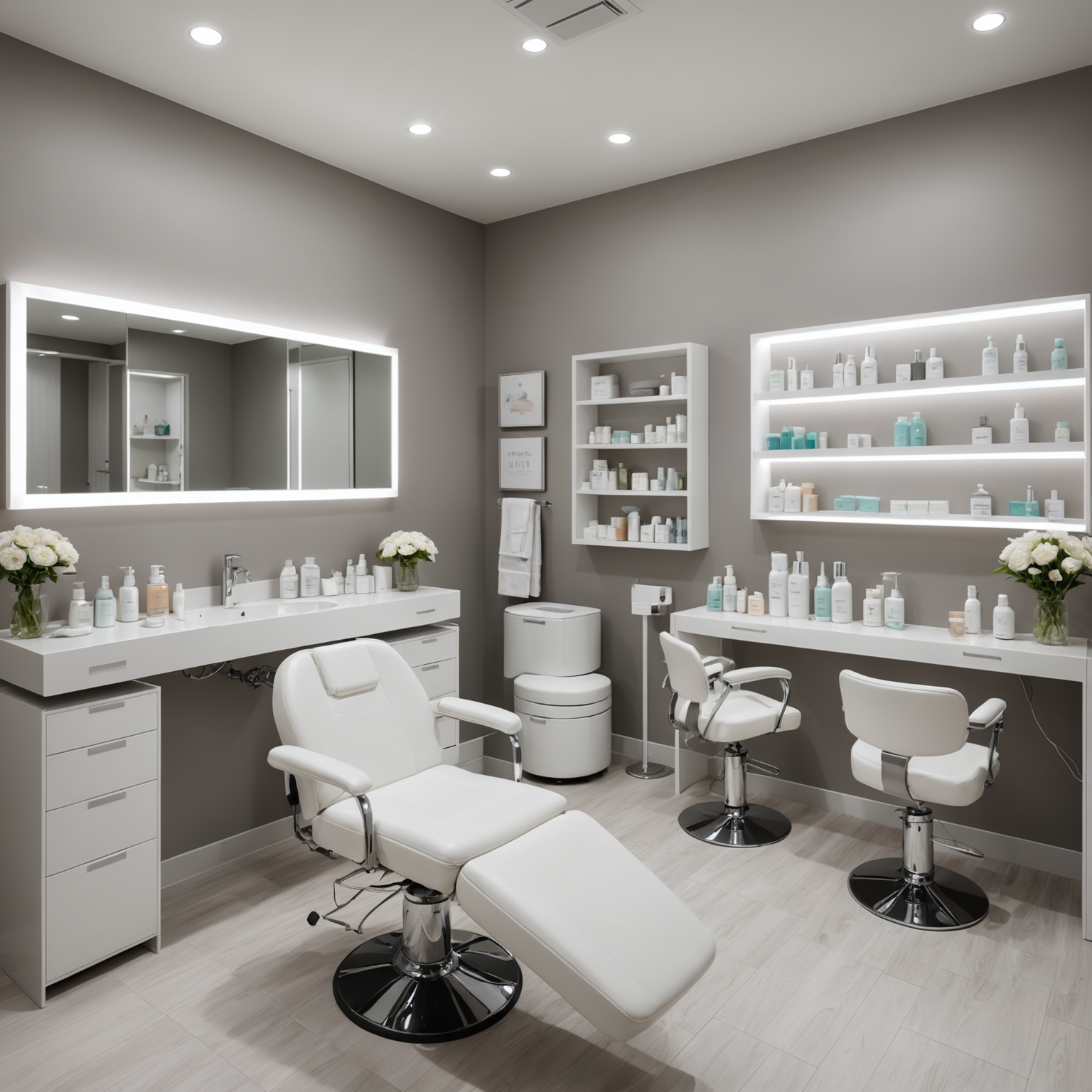
On the first day, you will visit a professional for your chemical peel. The procedure begins with cleansing your skin to remove any impurities. Then, a chemical solution is applied to your face, which may cause a tingling or burning sensation. The type of chemical used will depend on your skin type and the desired results. After a few minutes, the solution is neutralized, and you may notice some redness or mild irritation. For more details on what to expect, visit Hopkins Medicine.
Days 2-3: Initial Recovery
During the initial recovery period, your skin may feel tight and appear red, similar to a sunburn. It is crucial to follow post-care instructions provided by your esthetician. This typically includes applying a soothing moisturizer and avoiding sun exposure. It’s important to note that the intensity of these symptoms can vary depending on the peel’s strength. For more on post-care, see Cleveland Clinic’s guidelines.
Days 4-5: Peeling Begins
Around the fourth or fifth day, you will notice your skin beginning to peel. This is a natural part of the process as the outer layer of skin sheds to reveal a fresher, more youthful layer underneath. It’s essential to resist the urge to pick or peel the skin manually, as this can lead to scarring or infection. Learn more about skin healing from AAD.
Days 6-7: Continued Peeling and Healing
As the week progresses, the peeling will continue, but the redness and tightness should begin to subside. Your new skin will start to emerge, appearing smoother and more radiant. Keep using a gentle moisturizer and sunscreen to protect your healing skin. For sunscreen recommendations, check Healthline.
Week 2: Recovery and Results
By the second week, most of the peeling will have stopped, and you can start to see the full results of your chemical peel. Your skin should feel smoother, and any imperfections may appear less noticeable. It’s crucial to maintain a skincare routine that includes sun protection to preserve the benefits of the peel. For more on skincare routines, visit Mayo Clinic.
Benefits of Chemical Peels
Chemical peels offer numerous benefits including improved skin texture, reduced fine lines and wrinkles, and diminished acne scars. They can also even out skin tone and reduce hyperpigmentation. Since the procedure stimulates collagen production, you may notice long-term improvements in skin firmness.
Risks and Considerations
While chemical peels are generally safe, they do come with certain risks. These can include temporary or permanent changes in skin color, scarring, and infection. It’s important to consult with a certified professional who can evaluate your skin type and recommend the most suitable peel for your needs. People with certain skin conditions or sensitive skin may need to consider alternative treatments. For more information on skin conditions, visit NIH.
Conclusion
The chemical peel process day by day provides a structured journey to achieving healthier, more radiant skin. By understanding each phase of the recovery process, you can better prepare for what to expect and maximize the benefits of your treatment. Always consult with a qualified professional to ensure that a chemical peel is the right choice for your skin type and concerns.
FAQ
What is a chemical peel?
A chemical peel is a cosmetic procedure that uses a chemical solution to exfoliate and remove the damaged outer layers of skin, promoting the growth of new skin.
How often can you get a chemical peel?
The frequency of chemical peels depends on the type of peel and your skin type. Mild peels can be done monthly, while deeper peels may only be recommended every few months. For more on skincare frequency, see how often to get Botox.
Is a chemical peel painful?
The procedure can cause a tingling or burning sensation, but it is generally not painful. Post-procedure discomfort varies depending on the peel’s strength.
How long do the results last?
Results can last from several months to a few years, depending on the type of peel and your skincare routine. Consistent sun protection and skincare maintenance are key to prolonging results.
Can anyone get a chemical peel?
Not everyone is a candidate for chemical peels. Those with certain skin conditions or darker skin tones may experience adverse effects. A professional consultation is essential.
What should I avoid after a chemical peel?
Avoid sun exposure, harsh skincare products, and picking at peeling skin. Use a gentle cleanser, moisturizer, and sunscreen to aid recovery.
Are there alternatives to chemical peels?
Yes, alternatives include microdermabrasion and laser treatments. Botox treatments, such as those available in California, can also address certain skin concerns.
How does a chemical peel compare to Botox?
While chemical peels target the skin’s surface for exfoliation and rejuvenation, Botox treats wrinkles by relaxing muscles beneath the skin. For more on Botox, see Botox and neck benefits.