Introduction
Chemical peels have long been a staple in the realm of skincare, offering a promising solution for those seeking an enhanced complexion. By applying a chemical solution to the skin, these treatments can address a multitude of concerns from acne scars to fine lines. However, one of the most common questions potential patients have is: “How much is a chemical peel?” Understanding the cost is crucial not just for budgeting purposes, but also for assessing the value of the treatment relative to its benefits. In this comprehensive guide, we will explore the factors that influence the cost of chemical peels, what you can expect from the treatment, and how to make an informed decision.
Understanding Chemical Peels
Chemical peels are categorized into three main types: superficial, medium, and deep peels. Each type targets different skin concerns and penetrates varying depths of the skin.
Superficial Peels: These are the mildest form of peels, often called lunchtime peels, and use mild acids like alpha-hydroxy acids to gently exfoliate. They are ideal for minor skin imperfections and typically require minimal downtime. For more information on superficial peels, you can visit Cleveland Clinic’s page on chemical peels.
Medium Peels: Using stronger acids like glycolic or trichloroacetic acid, these peels reach the middle layers of skin to remove damaged skin cells. They are effective for treating issues such as age spots, fine lines, and moderate skin discoloration. Learn more about medium peels on Mayo Clinic’s website.
Deep Peels: These peels penetrate deeper into the skin and are used to treat more severe aging signs, deep wrinkles, and significant sun damage. They require a longer recovery time but offer dramatic results. Hopkins Medicine provides detailed insights into deep peels.
Factors Influencing the Cost of Chemical Peels
The cost of a chemical peel can vary widely, depending on several factors:
Type of Peel: As mentioned, superficial peels are less expensive compared to medium and deep peels. The complexity and depth of the peel directly impact the cost.
Location and Clinic: Prices can differ significantly based on geographic location and the prestige of the clinic.
Practitioner Expertise: Treatments performed by highly experienced dermatologists or estheticians may cost more, reflecting their expertise and the quality of care provided. For guidance on choosing a qualified practitioner, visit AAD’s guide on finding a dermatologist.
Additional Treatments: Some clinics offer package deals that combine chemical peels with other treatments, which can influence the overall price.
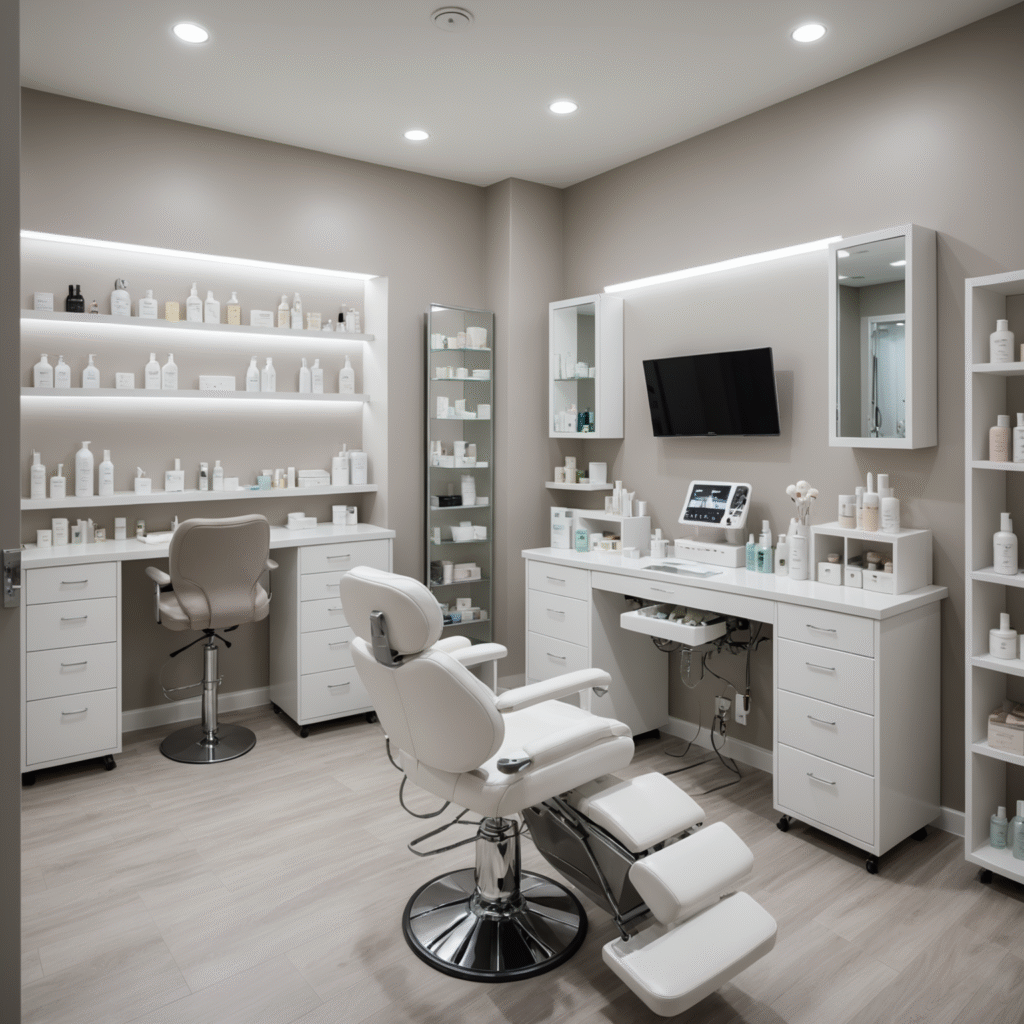
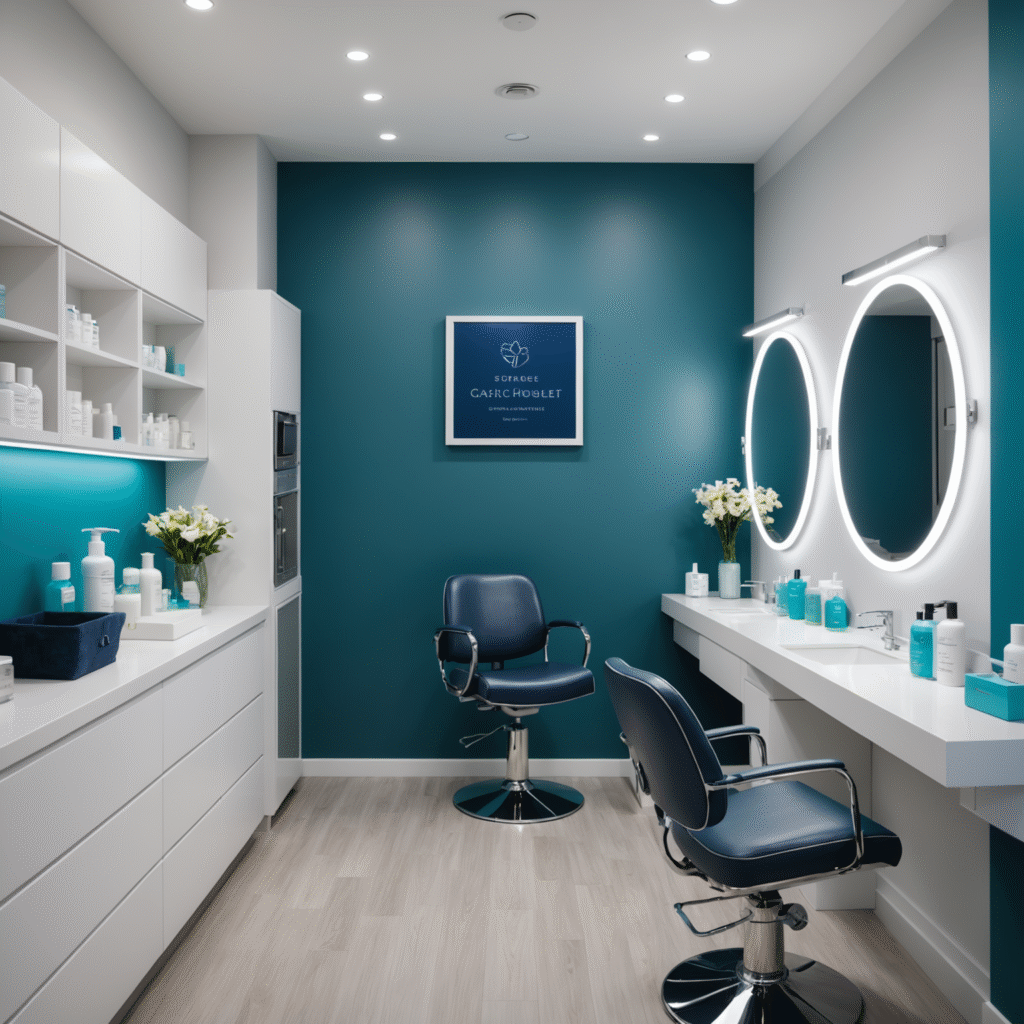
Facility Costs: The overhead costs of maintaining a sterile, comfortable environment can contribute to the price of the peel. This includes everything from the treatment room setup to the quality of the skincare products used post-peel.
What to Expect During a Chemical Peel Treatment
During a chemical peel, the selected acid solution is applied to the skin for a specific period, allowing it to penetrate and exfoliate the target layers. The procedure typically involves the following steps:
Consultation: Before the treatment, you’ll have a consultation to discuss your skin concerns, desired outcomes, and any potential allergies or previous treatments.
Preparation: Your skin will be cleansed thoroughly. For deeper peels, a topical anesthetic or sedative might be used to enhance comfort.
Application: The chemical solution is applied evenly across the treatment area. You might experience a tingling or burning sensation, which varies depending on the peel’s strength.
Neutralization and Aftercare: The solution is neutralized and removed. Post-treatment care is crucial, often involving moisturizing and sun protection to aid healing and maximize results. For aftercare tips, check out NIH’s advice on skin care post-peel.
Potential Risks and Benefits
While chemical peels offer numerous benefits, including improved skin texture and tone, they also carry potential risks. These can include redness, irritation, and, in rare cases, scarring or infection. It’s important to discuss these possibilities with a certified professional before proceeding. For a deeper understanding of the risks and benefits, you can refer to WebMD’s overview of chemical peels.
Conclusion
Chemical peels can be a transformative experience for many, offering significant improvements in skin appearance and texture. However, understanding the costs and what the procedure entails is essential for making an informed decision. Factors such as the type of peel, practitioner expertise, and geographic location all play a role in determining the cost. By consulting with a qualified professional and considering your specific skin needs, you can choose the right peel for your desired outcome.
FAQ
1. How much is a chemical peel on average?
The cost of a chemical peel can range from $150 for a superficial peel to over $3,000 for a deep peel, depending on various factors like location, type of peel, and practitioner experience.
2. Are chemical peels covered by insurance?
Most cosmetic procedures, including chemical peels, are not covered by insurance unless deemed medically necessary.
3. How often should I get a chemical peel?
The frequency of chemical peels depends on the type of peel and your skin’s response. Superficial peels can be done monthly, while deeper peels are typically performed less frequently, around every six months to a year.
4. What should I do to prepare for a chemical peel?
Preparation may include avoiding certain skincare products and sun exposure. Always follow the pre-treatment guidelines provided by your practitioner.
5. Can I combine a chemical peel with other treatments?
Yes, chemical peels can be combined with other treatments for enhanced results. Consult with your practitioner to design a treatment plan that suits your needs.
6. What is the recovery time for a chemical peel?
Recovery time varies: superficial peels require minimal downtime, while medium and deep peels may necessitate several days to weeks for full recovery.
7. Are there any long-term effects of chemical peels?
When performed correctly, chemical peels can offer long-lasting improvements. However, improper application or poor aftercare can result in temporary or, rarely, permanent skin changes.
8. Where can I find a reputable provider for chemical peels?
It’s important to seek out licensed and experienced professionals. You might consider clinics that also offer related services to ensure comprehensive care.