
Introduction
Are you searching for a “botox specialist near me”? As interest in cosmetic procedures continues to rise, it’s no surprise that many people are seeking trusted clinics for Botox treatments. Botox is renowned for its ability to reduce the appearance of wrinkles and fine lines, offering a more youthful appearance. However, it’s vital to choose a reputable provider to ensure safety and effectiveness. This comprehensive guide will walk you through finding the right Botox specialist, understanding the process, and what to expect before and after your treatment.
Understanding Botox: What You Need to Know
Botox, or Botulinum toxin, is a neurotoxin that temporarily paralyzes muscles, reducing wrinkles and fine lines. It’s a minimally invasive procedure often used on the forehead, around the eyes, and between the brows. While Botox is widely popular, it’s essential to understand both its benefits and potential risks. For a detailed overview of Botox, you can refer to Mayo Clinic’s guide on Botox.
Benefits of Botox
- Youthful Appearance: Botox smoothens wrinkles, giving a refreshed look.
- Quick Procedure: Sessions typically last about 10 to 30 minutes.
- Minimal Downtime: Most individuals return to their daily activities immediately.
- Preventive Care: Regular treatments can prevent the formation of new wrinkles.
Potential Risks
Though Botox is generally safe, it’s not without risks. Potential side effects include bruising, swelling, and, in rare cases, drooping eyelids. Consulting with a qualified professional can minimize these risks. For more information on the safety and side effects of Botox, visit WebMD’s Botox overview.
Choosing a Botox Specialist Near You
Finding a skilled and reputable Botox specialist involves several steps:
Research and Reviews
Start by searching online for “botox specialist near me” and reviewing their credentials. Look for board-certified practitioners with substantial experience in administering Botox. Websites like Healthline and WebMD offer valuable insights into selecting healthcare professionals.
Consultation
Schedule a consultation to discuss your goals and expectations. This meeting allows you to assess the specialist’s expertise and comfort level. During this visit, inquire about their experience, view before-and-after photos of previous patients, and discuss potential outcomes.
Safety and Cleanliness
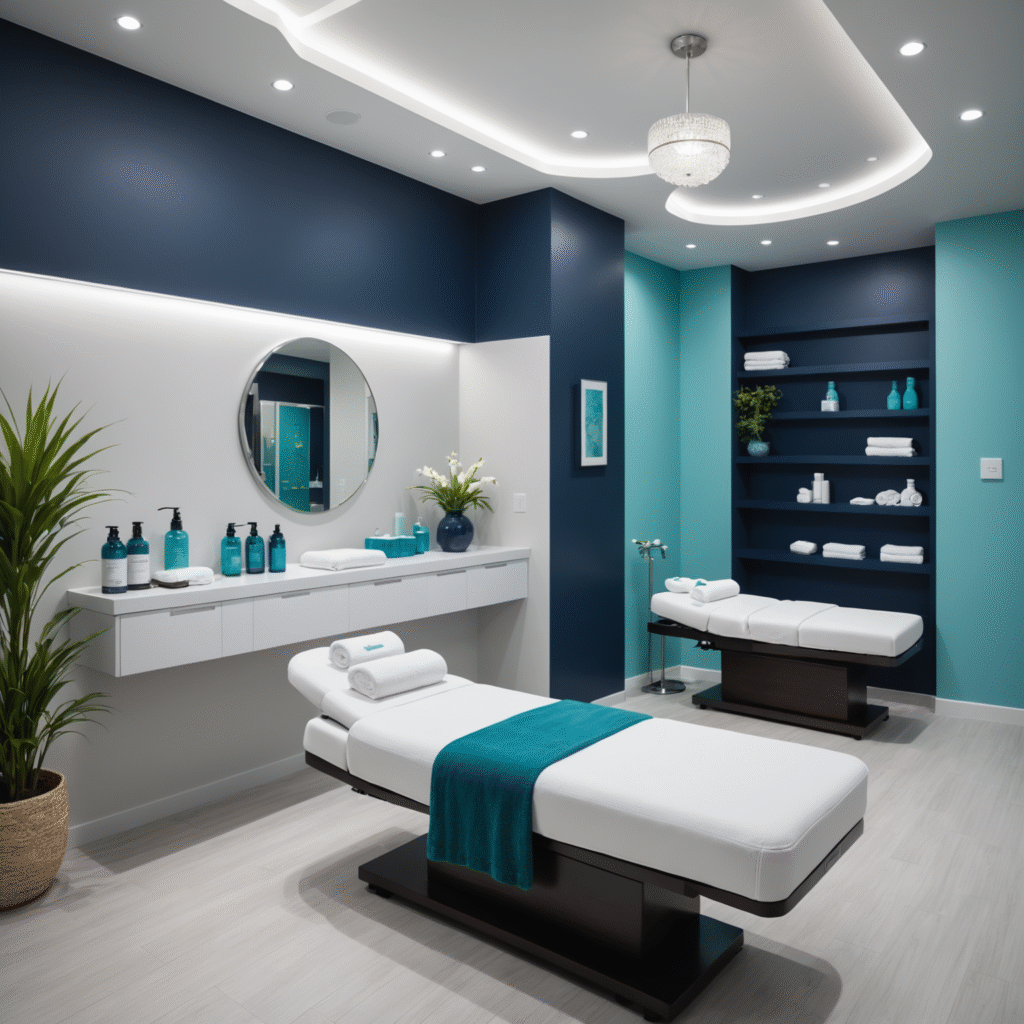
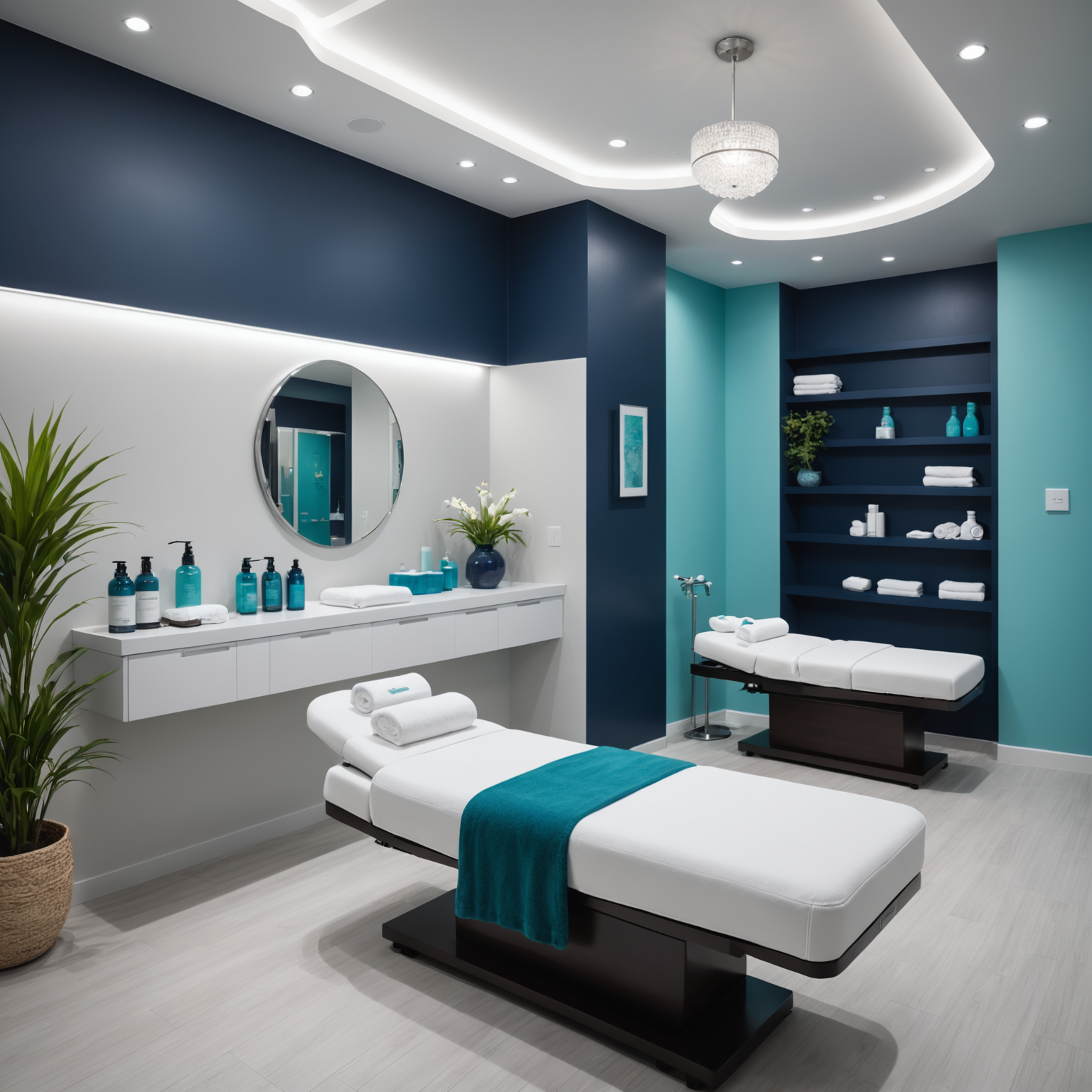
Visit the clinic to evaluate its environment. Ensure that the facility maintains high standards of cleanliness and uses sterile tools. The importance of a hygienic setting cannot be overstated in preventing infections. For guidelines on maintaining a safe clinical environment, refer to the CDC’s infection control guidelines.
Understanding the Cost of Botox
The cost of Botox can vary widely depending on factors such as location, the specialist’s expertise, and the number of units required. On average, you can expect to pay between $300 and $600 per session. It’s wise to compare prices among different clinics but remember that the cheapest option isn’t always the safest. For a comprehensive understanding of Botox costs, see Cleveland Clinic’s Botox cost guide.
For more details on pricing and consultations, feel free to contact us for personalized advice.
What to Expect During and After Treatment
During the Procedure
The Botox treatment process is relatively quick. The specialist will use a fine needle to inject Botox into the targeted muscles. Most patients experience minimal discomfort, likened to a slight pinch.
Post-Treatment Care
After your session, avoid rubbing the treated area to prevent the Botox from spreading to unintended muscles. It’s also advisable to avoid strenuous activities for at least 24 hours. While side effects are uncommon, some patients may experience slight bruising or swelling, which typically resolves within a few days. For post-treatment care tips, check out Stanford Health Care’s Botox aftercare advice.
Conclusion
Choosing a qualified “botox specialist near me” is crucial for achieving the desired results while minimizing risks. By conducting thorough research, engaging in consultations, and ensuring a clean and professional environment, you can confidently move forward with your Botox treatment. Remember, the goal is to enhance your natural beauty safely and effectively.
For more insights on Botox and to learn about our team of specialists, visit our about page.
FAQ
What is Botox, and how does it work?
Botox is a neurotoxin that temporarily paralyzes muscles, reducing the appearance of wrinkles. It works by blocking nerve signals to the muscles, preventing them from contracting. For a scientific explanation, see NIH’s article on Botulinum toxin.
How long does a Botox treatment last?
The effects of Botox typically last between 3 to 6 months. Regular treatments can maintain the desired results over time.
Is Botox safe?
Yes, Botox is generally safe when administered by a qualified professional. It’s important to follow pre- and post-treatment instructions to minimize risks. For safety information, refer to the FDA’s Botox safety guidelines.
How can I find a reputable Botox specialist near me?
Start by searching online for reviews and credentials of local specialists. Schedule consultations to assess their expertise and ensure they maintain a clean and professional environment.
What should I expect during my first Botox consultation?
During your consultation, discuss your goals and expectations. The specialist will evaluate your suitability for Botox, explain the procedure, and answer any questions you may have.
Are there alternatives to Botox?
Yes, there are alternatives such as dermal fillers and laser treatments. Discuss these options with your specialist to determine the best approach for your needs.
How soon will I see results after a Botox treatment?
Results typically begin to appear within 3 to 5 days, with full effects visible in about two weeks.
Can Botox be used for medical purposes?
Yes, Botox is also used for medical conditions like chronic migraines, excessive sweating, and muscle spasms. Consult with a healthcare professional to explore these options. For more on medical uses, visit Hopkins Medicine’s Botox page.