
Introduction
In the pursuit of youthful and smooth skin, Botox has emerged as a popular cosmetic treatment, not just for facial wrinkles but also for neck rejuvenation. The procedure, often referred to as “Botox for neck,” targets vertical neck bands and horizontal lines, offering a non-surgical solution to neck aging. This blog post delves into the benefits and risks of Botox for the neck, how it works, and what to expect from the treatment. Whether you’re considering this procedure or just curious, read on to discover everything you need to know about Botox for neck.
How Does Botox for Neck Work?
Botox, or Botulinum toxin, is a neurotoxic protein used in small doses to treat various medical and cosmetic conditions. According to the FDA, when injected into specific muscles, it temporarily paralyzes them, reducing the appearance of wrinkles and lines. For the neck, Botox targets the platysma muscle, responsible for the vertical bands and horizontal creases that appear with age.
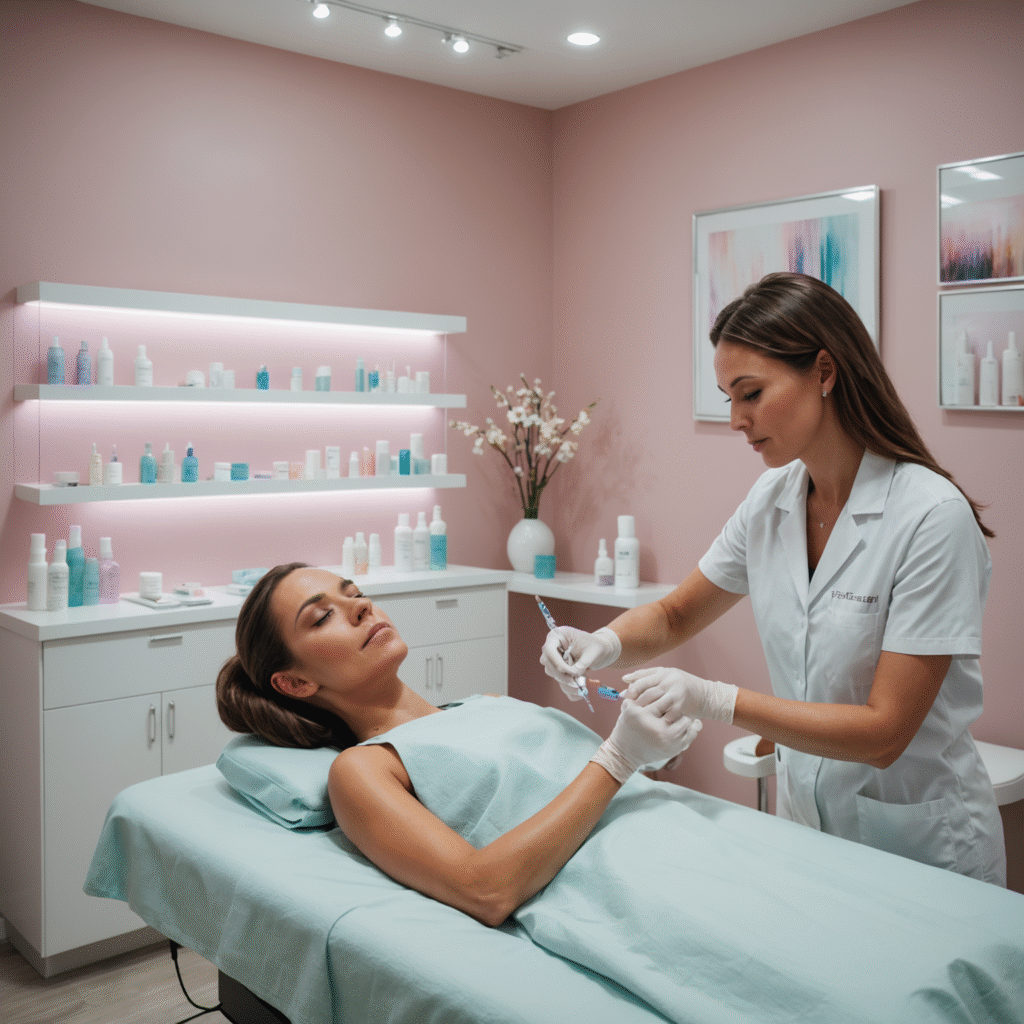
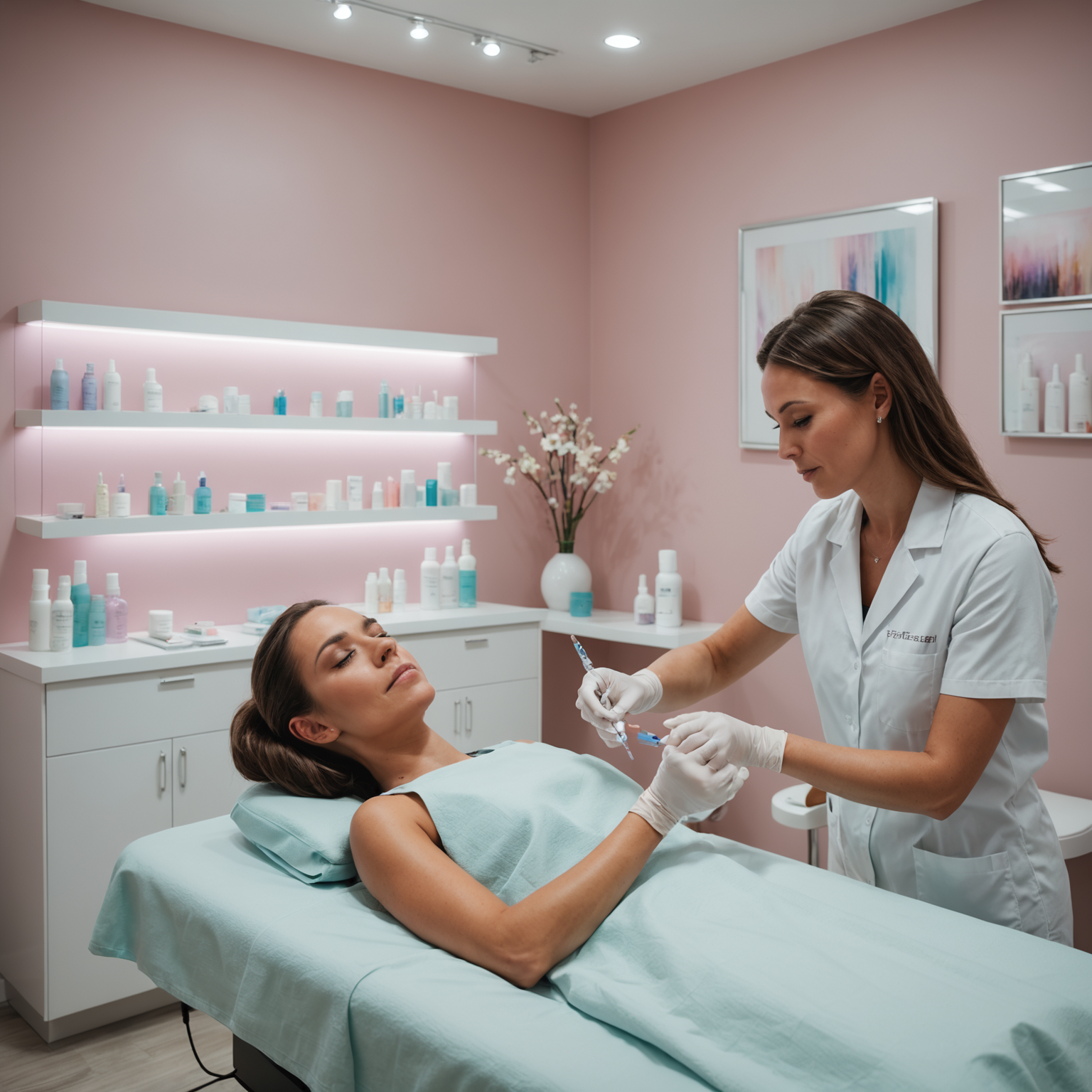
The procedure is minimally invasive and typically takes about 15 to 30 minutes. During the treatment, a trained professional injects Botox into strategic points on the neck. The effects usually become noticeable within a few days and can last between three to six months, as noted by WebMD.
Benefits of Botox for Neck
1. Minimally Invasive
Unlike a neck lift, Botox is a non-surgical procedure, meaning there’s no need for incisions or general anesthesia. This makes it an attractive option for those seeking a quick and effective solution with minimal downtime, as highlighted by the American Academy of Dermatology.
2. Quick Recovery
One of the most significant advantages of Botox is the minimal recovery time. Most patients can resume normal activities immediately after the treatment, making it a convenient choice for busy individuals, according to the Cleveland Clinic.
3. Natural-Looking Results
When administered correctly, Botox provides subtle and natural-looking results. The neck appears smoother and more youthful without the “frozen” look often associated with overdone cosmetic procedures, as explained by Healthline.
4. Temporary Effects
The temporary nature of Botox can be a benefit for those hesitant about permanent changes. If you’re not satisfied with the results, the effects will fade over time, allowing you to explore other options.
5. Complementary to Other Treatments
Botox can be combined with other cosmetic treatments for enhanced results. For instance, pairing it with dermal fillers or laser treatments can offer a more comprehensive rejuvenation approach. For more information on similar procedures, consider exploring Botox around the eyes.
Risks and Considerations
While Botox is generally considered safe, it’s not without risks and potential side effects. Here are some considerations to keep in mind:
1. Temporary Side Effects
Common side effects include bruising, swelling, and redness at the injection site. These typically resolve within a few days, as noted by Mayo Clinic.
2. Potential for Asymmetry
Improper injection techniques can lead to asymmetrical results or unintended muscle paralysis. It’s crucial to choose a qualified and experienced provider to minimize these risks.
3. Not Suitable for Everyone
Botox is not recommended for pregnant or breastfeeding women, people with certain neuromuscular disorders, or individuals with allergies to any of the ingredients in Botox, as advised by the NIH.
4. Regular Maintenance Required
To maintain results, repeat treatments are necessary every three to six months. This can become costly over time, so it’s essential to consider the long-term financial commitment.
5. Choose Your Provider Carefully
Selecting a reputable clinic and experienced practitioner ensures the best results and minimizes risks. If you’re located in West Virginia or New Jersey, explore local options to find a qualified provider.
Conclusion
Botox for neck offers a non-surgical alternative to address signs of aging, providing smoother and more youthful-looking skin. While the benefits are substantial, it’s important to weigh the risks and consult with a qualified professional to determine if it’s the right option for you. Whether you’re in Alabama or Maine, ensure you choose a reputable provider to achieve the best and safest results.
FAQ
What is Botox for neck used for?
Botox for neck is primarily used to reduce the appearance of vertical neck bands and horizontal lines, offering a smoother and more youthful neck appearance.
How long do the results of Botox for neck last?
The effects of Botox for neck typically last between three to six months, after which repeat treatments are required to maintain results.
Are there any side effects of Botox for neck?
Common side effects include bruising, swelling, and redness at the injection site. These are usually temporary and resolve within a few days.
Can I combine Botox for neck with other treatments?
Yes, Botox can be safely combined with other cosmetic treatments such as dermal fillers and laser therapies for enhanced results.
How do I choose a provider for Botox for neck?
Select a provider with experience and a good reputation. It’s crucial to ensure they are qualified and have a track record of successful outcomes.
Is Botox for neck safe?
When administered by a trained professional, Botox for neck is generally safe. However, it’s important to discuss any pre-existing conditions or concerns with your provider.
Who should avoid Botox for neck?
Botox is not recommended for individuals who are pregnant, breastfeeding, or have certain neuromuscular disorders. Always consult with a healthcare professional before proceeding.
How much does Botox for neck cost?
The cost of Botox for neck varies depending on the provider and location. It’s important to consider the long-term investment, as maintenance treatments are necessary to sustain results.