
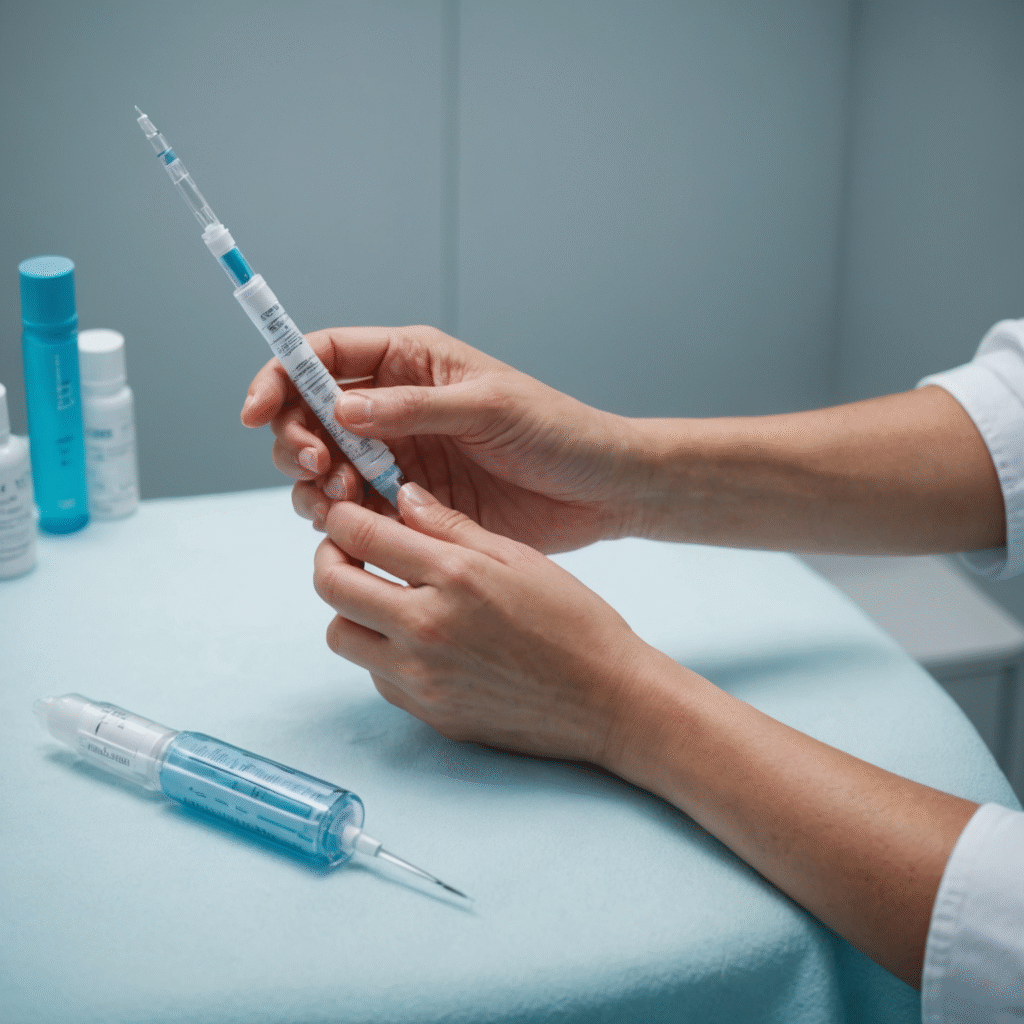
Understanding Botox and Its Applications
Botox, short for Botulinum toxin, is a neurotoxic protein used in various medical and cosmetic procedures. Primarily known for its ability to reduce facial wrinkles, Botox is also employed in treating conditions like chronic migraines, excessive sweating, and certain muscular disorders. As the demand for Botox treatments continues to rise, so does the need for qualified professionals who can safely administer these injections.
Why Choose a Trusted Clinic for Botox Training?
The importance of choosing a reputable training clinic cannot be overstated. Trusted clinics not only provide thorough training on the technical aspects of Botox administration but also ensure adherence to safety standards and ethical practices. Here are key reasons to select a reputable training provider:
Comprehensive Curriculum: Reputable clinics offer a well-rounded curriculum that covers both theoretical knowledge and practical skills. This ensures you are fully equipped to handle real-world scenarios.
Experienced Trainers: Established clinics employ trainers with extensive experience in the field, providing insights and mentorship that are invaluable to your learning.
Accreditation and Certification: A trusted clinic will provide certification upon training completion, a credential that can significantly enhance your professional credibility.
Continuous Support and Resources: Ongoing support, access to resources, and networking opportunities are often available through reputable training providers.
For more information on what to expect from a Botox training program, you might find our articles on Botox training helpful.
Finding Botox Training Near You
When searching for “Botox training near me,” consider the following steps to ensure you select the best option:
Research Online: Use search engines to explore local options. Pay attention to reviews and ratings, and visit clinic websites for detailed information.
Visit Clinics: If possible, visit the clinics in person to assess their facilities and speak with staff. This firsthand experience can provide insights into the clinic’s standards and professionalism.
Consult Industry Forums: Online forums and social media groups dedicated to medical aesthetics can be valuable resources for recommendations and reviews.
Contact Clinics Directly: Reach out to clinics to inquire about their programs, accreditation, trainers, and costs. This can also give you a sense of their customer service quality.
For those interested in direct communication, our contact page can be a good starting point.
What to Expect During Botox Training
Training programs vary in duration and structure, but most include the following components:
- Theoretical Instruction: Understanding the science behind Botox, its applications, and contraindications.
- Hands-On Training: Practical sessions where you can practice injection techniques under supervision.
- Safety Protocols: Training on maintaining hygienic practices and managing potential complications.
- Patient Interaction: Learning how to consult with patients, assess their needs, and manage expectations.
Evaluating Costs and Benefits
The cost of Botox training can vary widely depending on the clinic’s reputation, location, and the comprehensiveness of the program. While it’s important to consider your budget, remember that investing in high-quality training can yield significant long-term benefits, including:
- Increased Earning Potential: Being certified in Botox administration can open up new income streams and opportunities for career advancement.
- Enhanced Professional Reputation: Training from a reputable clinic can boost your credibility and attract more clients.
- Personal Development: Beyond financial gains, learning a new skill set can be personally rewarding and fulfilling.
For more insights on Botox and finding the right training, explore our about page.
FAQ
What qualifications do I need to enroll in a Botox training program?
Most programs require you to be a licensed healthcare professional, such as a nurse, doctor, or dentist. Some clinics may have specific prerequisites or additional requirements.
How long does Botox training typically take?
Training durations vary, but most courses range from one to three days. Some programs offer extended training with additional modules for comprehensive learning.
Can I practice Botox injections immediately after training?
Upon certification, you can legally perform Botox injections. However, gaining confidence and proficiency may require additional practice and experience.
Are there any risks associated with Botox training?
As with any medical training, there are risks involved, primarily related to incorrect injection techniques. That’s why choosing a reputable clinic with experienced trainers is vital.
What is the cost range for Botox training?
Training costs can range from $500 to $3,000, depending on the clinic, location, and program comprehensiveness. Some clinics may offer financing options.
How can I verify the accreditation of a Botox training clinic?
Check if the clinic is accredited by recognized medical boards or institutions. You can also inquire directly with the clinic or consult industry associations for verification.
Is online Botox training effective?
While online courses can provide theoretical knowledge, hands-on practice is essential for developing practical skills. Hybrid programs that combine online and in-person training may offer a balanced approach.
What should I bring to my Botox training sessions?
Bring any required documents, a notebook for taking notes, and comfortable clothing. Some clinics may provide all necessary materials and equipment.
Further reading: FDA: OnabotulinumtoxinA safety/info (Botox/Botox Cosmetic).