Introduction
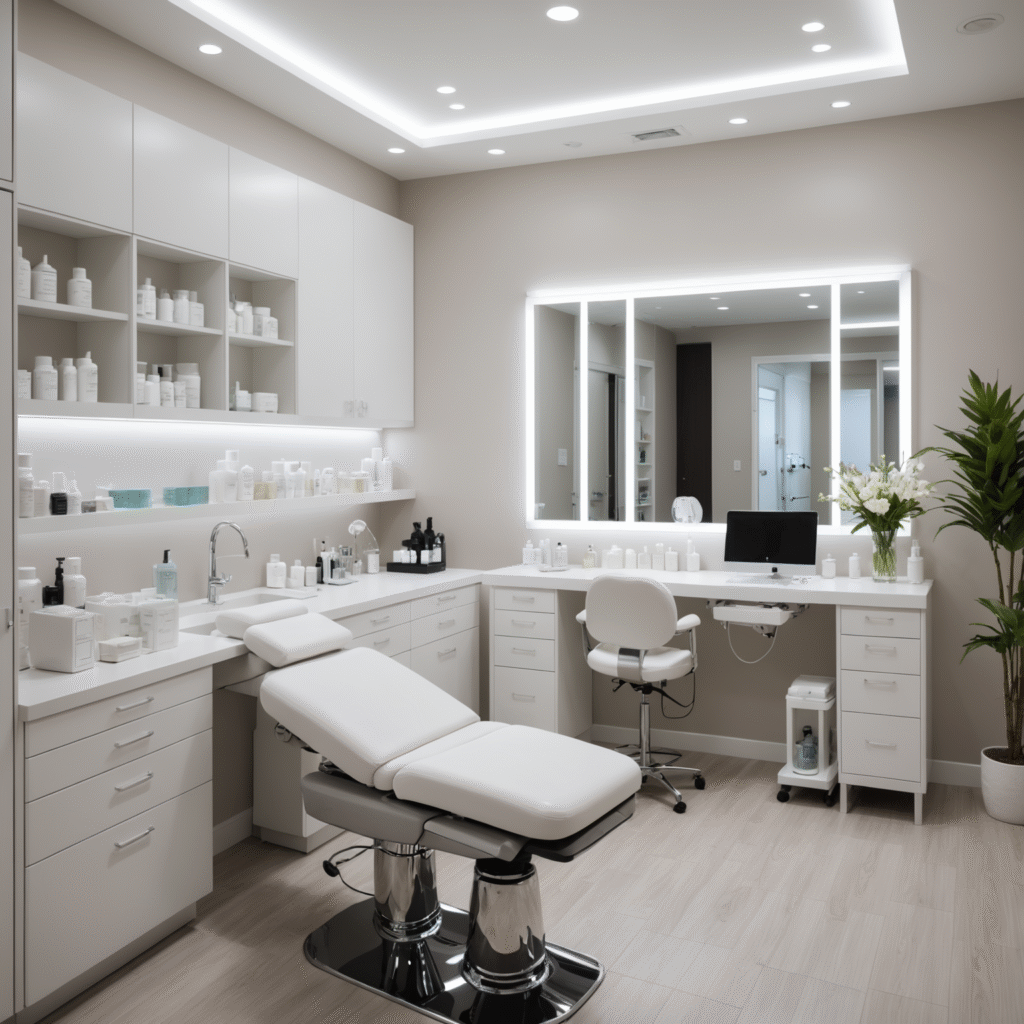
If you’re considering a chemical peel treatment, you’re not alone. Chemical peels are a popular, non-invasive cosmetic procedure that can rejuvenate your skin by removing dead skin cells and promoting new skin growth. With the increasing demand for skincare solutions, the quest for “chemical peels near me” has become more prevalent among those seeking quality care. This guide will help you find trusted clinics, understand the benefits and risks, and evaluate costs before booking your appointment.
Understanding Chemical Peels
What Are Chemical Peels?
Chemical peels use a chemical solution to remove the outermost layers of skin, revealing a smoother, fresher layer underneath. They can be categorized into three types: superficial, medium, and deep peels, each varying in strength and recovery time. Superficial peels are mild and require minimal downtime, while deep peels penetrate more layers of skin and may need a longer recovery period. For more detailed information, refer to the Mayo Clinic’s overview of chemical peels.
Benefits of Chemical Peels
Chemical peels offer numerous benefits, including:
- Improved Skin Texture and Tone: By removing damaged skin layers, peels can smooth out rough textures and even out skin tone.
- Reduced Fine Lines and Wrinkles: Particularly effective for reducing the appearance of aging signs.
- Treatment for Acne and Scarring: Can help unclog pores and reduce acne scars.
- Brightening of Skin: Provides an overall brighter and more youthful complexion.
For further insights into the benefits of chemical peels, visit WebMD’s guide on chemical peels.
Risks and Considerations
While chemical peels can be transformative, they come with risks such as:
- Redness and Swelling: Common immediately after treatment, especially with deeper peels.
- Sensitivity to Sun: Increased photosensitivity necessitates diligent use of sunscreen.
- Potential for Scarring: Rare but possible, particularly with improper aftercare.
For a detailed understanding of the risks associated with skin procedures, see the American Academy of Dermatology’s information on chemical peels.
Finding Trusted Clinics for Chemical Peels Near Me
Research and Recommendations
When searching for “chemical peels near me,” it’s crucial to conduct thorough research. Start by:
- Reading Reviews: Use platforms like Yelp or Google Reviews to gauge customer satisfaction.
- Seeking Recommendations: Ask friends or family for referrals to reputable clinics.
Certification and Experience
Ensure that the clinic you choose employs licensed and experienced professionals. A reputable clinic should have certified estheticians or dermatologists who specialize in chemical peels. You can verify certification through professional associations and check if the clinic is listed in directories of trusted providers.
Cost Considerations
The cost of chemical peels can vary based on the type and location of the clinic. Typically, superficial peels are more affordable than medium or deep peels. It’s important to get a clear understanding of pricing before proceeding. For more information on cost considerations, refer to Healthline’s article on chemical peel costs.
What to Expect During and After a Chemical Peel
The Procedure
During a chemical peel, the esthetician will apply a chemical solution to your skin, which may cause a tingling or burning sensation. The procedure usually lasts about 30 to 90 minutes, depending on the type of peel. For a comprehensive guide on what to expect, see Cleveland Clinic’s chemical peel procedure overview.
Post-Treatment Care
Aftercare is crucial for optimal results and includes:
- Avoiding Sun Exposure: Use sunscreen to protect the sensitive new skin.
- Moisturizing Regularly: Keeps the skin hydrated and aids the healing process.
- Avoiding Harsh Skincare Products: Use gentle, non-irritating products as recommended by your esthetician.
For those who’ve undergone similar cosmetic procedures, understanding what to avoid post-treatment can be beneficial.
Conclusion
Finding the right clinic for “chemical peels near me” involves careful research and consideration of factors such as the type of peel, cost, and the clinic’s reputation. Chemical peels offer a range of benefits from improved texture to a more youthful appearance but require careful aftercare to maximize results. By choosing a trusted clinic and understanding what to expect, you can make an informed decision that enhances your skincare journey.
FAQ
What are the different types of chemical peels?
Chemical peels are classified into superficial, medium, and deep peels, each differing in intensity and recovery time.
How often should I get a chemical peel?
The frequency depends on the type of peel and skin type. Superficial peels can be done every few weeks, while deeper peels may require months between sessions. For comparative insights, see how often to get similar treatments like Botox.
Are chemical peels safe for all skin types?
Chemical peels are generally safe for most skin types but may not be suitable for very sensitive skin. A professional consultation is recommended.
How long does recovery take after a chemical peel?
Recovery time varies; superficial peels might require a few days, while deeper peels can take weeks.
Can chemical peels help with acne?
Yes, chemical peels can reduce acne by exfoliating skin and unclogging pores. For more information, visit MedlinePlus’s section on acne treatment.
What should I do if I experience side effects from a chemical peel?
If you experience severe side effects, contact your dermatologist immediately. Mild redness and swelling are common, but persistent discomfort should be addressed professionally.
How do I choose a clinic for chemical peels?
Look for clinics with certified professionals, positive reviews, and transparent pricing. For more tips, consider how to find trusted cosmetic clinics.
Are there alternatives to chemical peels for skin rejuvenation?
Yes, other treatments such as microdermabrasion or laser therapy can also rejuvenate the skin. Explore different options and consult with a dermatologist to find what suits your needs best.