
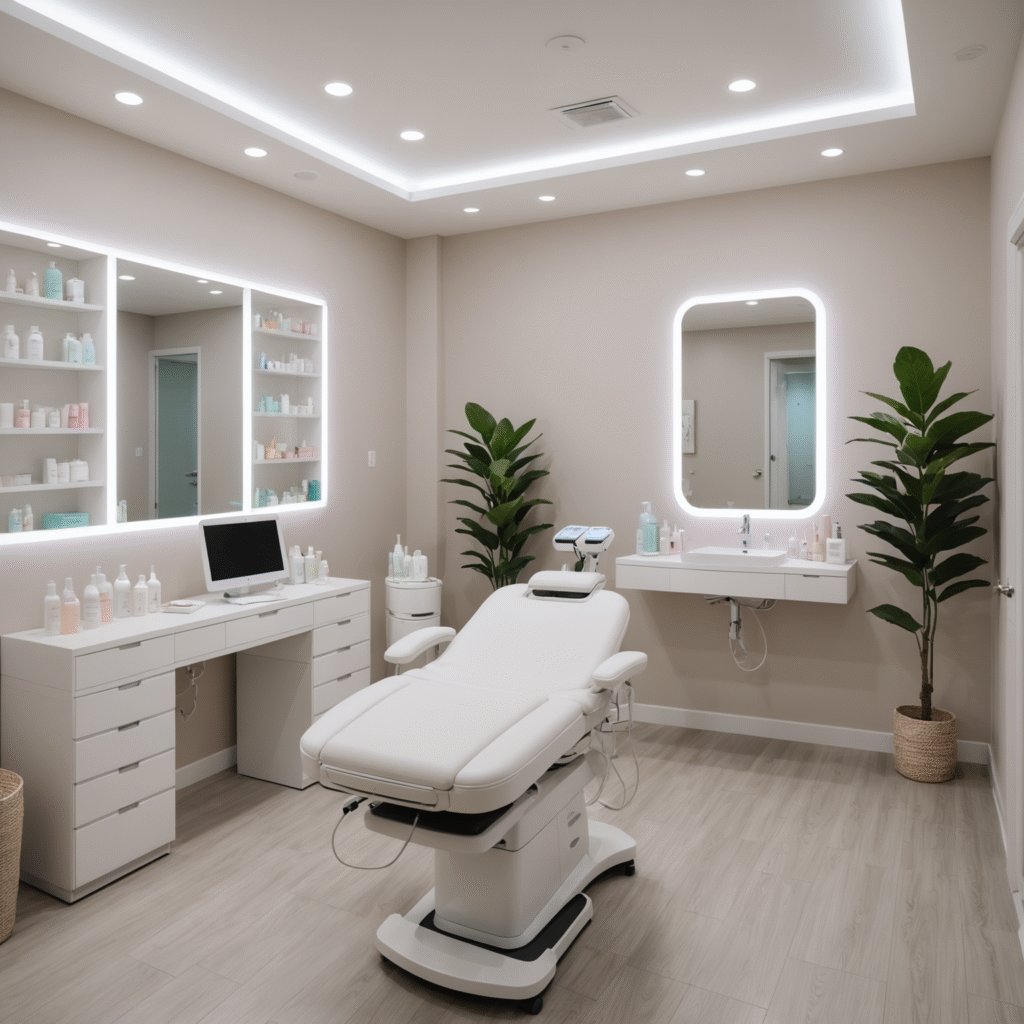
Fotona Laser Explained – Benefits & Risks
Fotona laser technology has emerged as a revolutionary tool in the field of cosmetic and medical dermatology. Known for its versatility and effectiveness, Fotona laser treatments are becoming increasingly popular for addressing a variety of skin concerns. This comprehensive guide will delve into the benefits and risks of Fotona laser treatments, how they work, and what you can expect in terms of results.
What is Fotona Laser?
Fotona laser is a cutting-edge laser technology that utilizes dual-wavelength laser systems to address a wide range of dermatological and aesthetic conditions. The system combines Er:YAG and Nd:YAG lasers, enabling practitioners to perform a variety of treatments with precision and efficiency. From skin resurfacing and tightening to vascular treatments and acne scar reduction, Fotona laser offers a broad spectrum of solutions. For more detailed information on laser technologies, you can refer to NIH’s resources on laser treatments.
How Does Fotona Laser Work?
Fotona laser works by delivering controlled laser energy into the target area, stimulating collagen production and promoting skin regeneration. The dual-wavelength system allows for both superficial and deep tissue penetration, making it suitable for treating various skin layers and conditions. The Er:YAG laser is particularly effective for skin resurfacing, while the Nd:YAG laser is ideal for deeper tissue treatments. To understand more about how lasers interact with the skin, MedlinePlus provides a comprehensive overview.
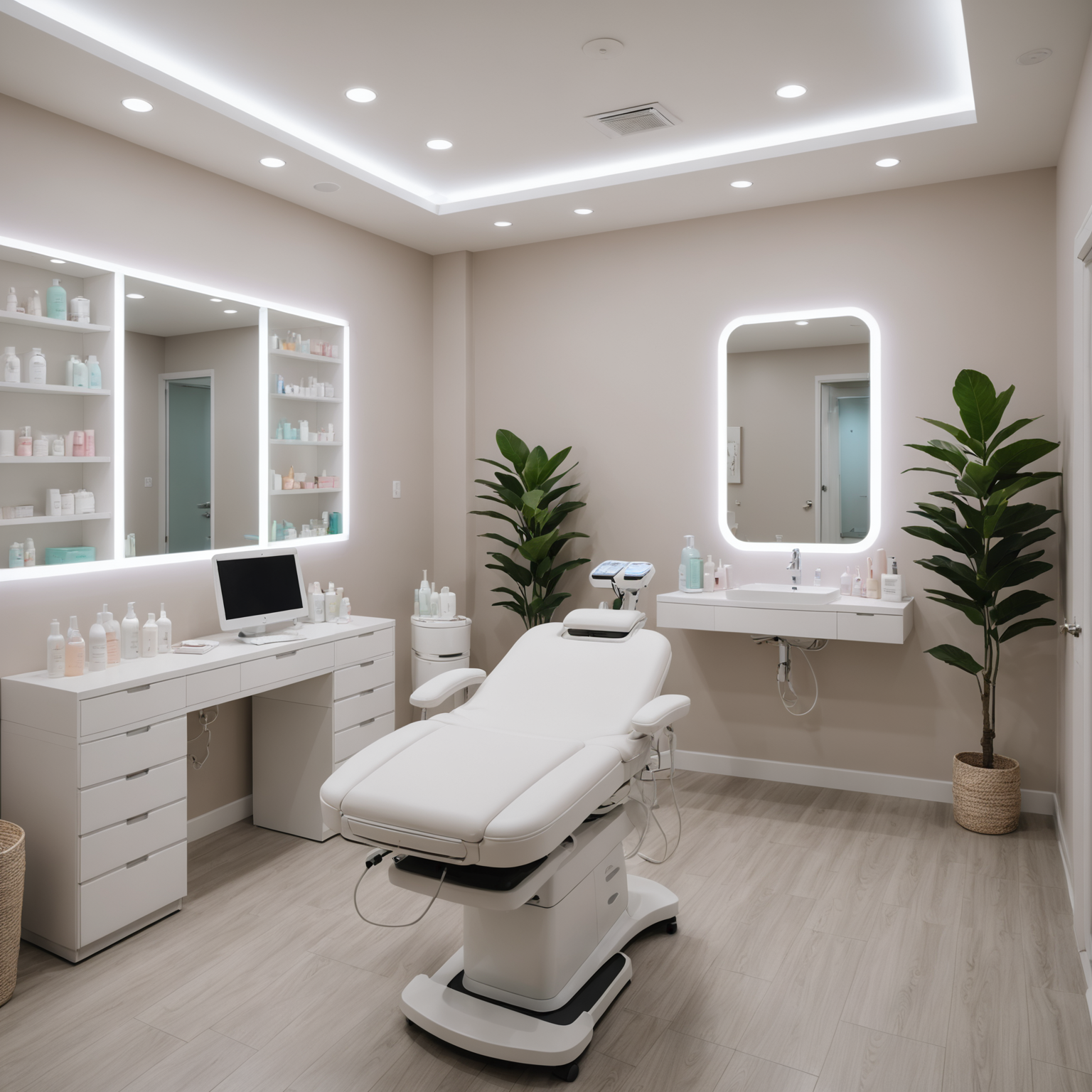
Benefits of Fotona Laser
Versatility: One of the standout features of Fotona laser is its versatility. It can address multiple skin concerns including wrinkles, scars, pigmentation, and even stretch marks. This makes it a preferred choice for many dermatologists and estheticians. For more on the versatility of laser treatments, WebMD offers insights.
Non-Invasive: Fotona laser treatments are non-invasive, meaning they do not require any incisions or surgical procedures. This significantly reduces the recovery time and minimizes the risks associated with traditional surgical methods. Learn more about non-invasive procedures at Cleveland Clinic.
Precision: The laser’s precise targeting capability ensures that only the affected areas are treated, preserving the surrounding healthy tissue. This precision minimizes discomfort and leads to more effective outcomes.
Minimal Downtime: Patients can typically return to their daily activities shortly after treatment. The minimal downtime is a major advantage for individuals with busy schedules seeking cosmetic enhancement.
Long-Lasting Results: The collagen stimulation and skin regeneration promoted by Fotona laser can lead to long-lasting improvements in skin texture and appearance. For further reading on collagen and skin health, NIH has detailed articles.
Risks and Considerations
While Fotona laser treatments offer numerous benefits, it is important to be aware of potential risks and considerations:
Temporary Side Effects: Patients may experience temporary redness, swelling, or mild discomfort in the treated area. These effects typically subside within a few days. The FDA provides information on managing side effects.
Skin Sensitivity: Post-treatment, the skin may be more sensitive to sunlight. It’s critical to follow the practitioner’s post-care instructions, including applying sunscreen and avoiding direct sun exposure. For more on sun protection, visit the CDC’s sun safety page.
Multiple Sessions: Depending on the condition being treated, multiple sessions may be required to achieve the desired results.
Not Suitable for All Skin Types: Certain skin types, particularly darker complexions, may be more prone to pigmentation changes post-treatment. A thorough consultation with a qualified professional is essential to determine if Fotona laser is suitable for you.
What to Expect from a Fotona Laser Treatment
During a Fotona laser treatment, you will likely experience a warming sensation as the laser energy penetrates the skin. The procedure is generally well-tolerated, and practitioners often use cooling systems to enhance comfort. Sessions can last anywhere from a few minutes to over an hour, depending on the treatment area and condition.
Post-treatment, it’s important to follow all aftercare instructions to ensure optimal healing and results. This may include avoiding certain skincare products, minimizing sun exposure, and applying prescribed topical treatments.
For more insights on cosmetic treatments, you might find our articles on aesthetic procedures particularly useful.
Conclusion
Fotona laser technology offers a powerful, non-invasive option for individuals seeking to improve their skin’s appearance and address various dermatological concerns. With its range of benefits and minimal risks, it stands as a viable alternative to more invasive procedures. However, as with any medical treatment, it is crucial to consult with a qualified professional to ensure that it aligns with your specific skin type and goals. For more information on consulting with healthcare professionals, Mayo Clinic provides guidance.
For more information about our services and to discuss your specific needs, feel free to contact us.