
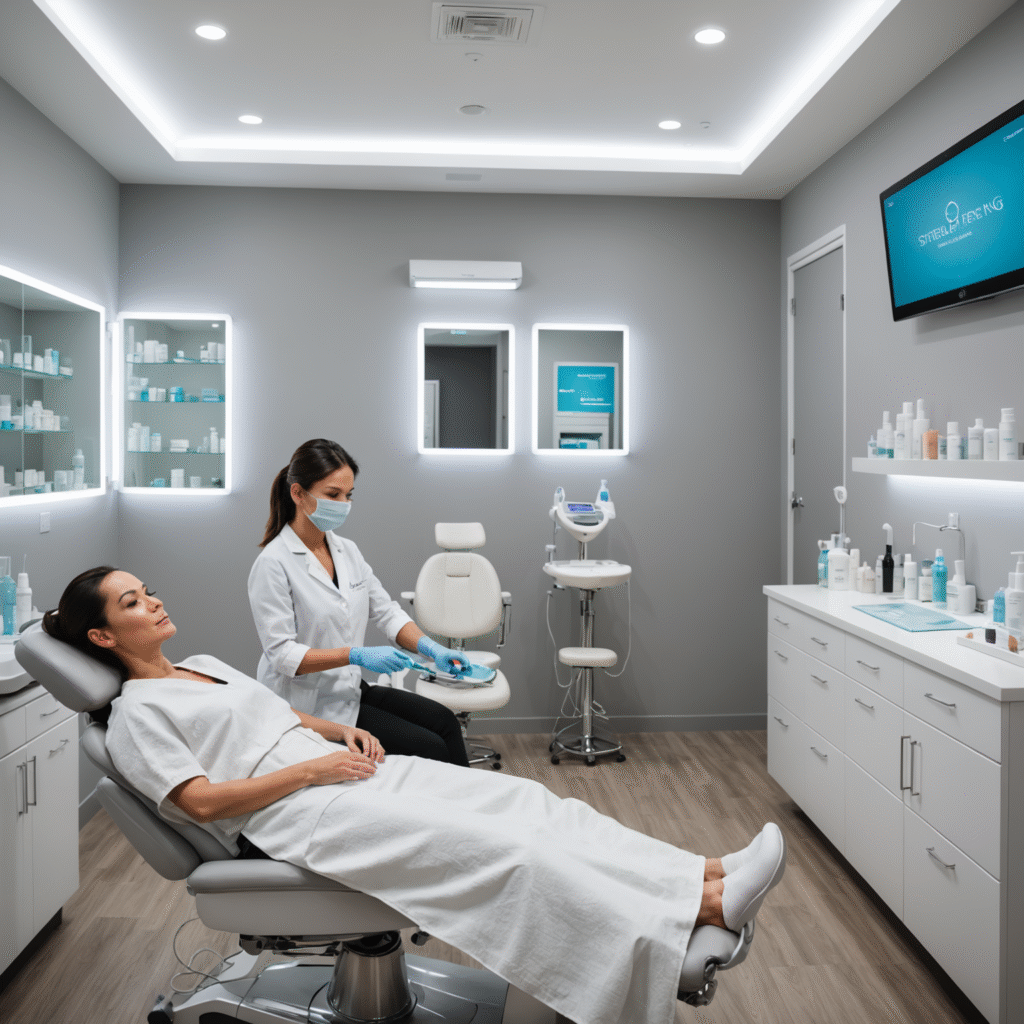
Introduction
Microneedling has gained widespread attention as a skin rejuvenation treatment, promising to enhance skin texture, reduce the appearance of scars, and promote collagen production. However, one of the most common questions people have is: how long does microneedling last? Understanding the duration of its effects is crucial for setting realistic expectations and planning future treatments. This comprehensive guide will explore the factors that influence the longevity of microneedling results, what you can expect post-treatment, and how to maximize the benefits.
How Microneedling Works
Microneedling, also known as collagen induction therapy, involves using a device with fine needles to create micro-injuries in the skin. This process stimulates the body’s natural wound healing response, triggering the production of collagen and elastin. The result is smoother, firmer, and more youthful-looking skin. The procedure is relatively quick, minimally invasive, and can be performed on various areas, including the face, neck, and hands. For more detailed information on how microneedling works, you can visit Mayo Clinic’s page on microneedling.
Factors Influencing the Longevity of Results
Skin Type and Condition: Different skin types respond differently to microneedling. For example, individuals with thicker, more resilient skin may experience longer-lasting results compared to those with thinner, more sensitive skin.
Age: Younger individuals tend to produce collagen more rapidly, which can lead to longer-lasting results. However, consistent treatment and proper skincare can help mature skin maintain the benefits over time. The National Institute on Aging provides insights into how aging affects skin health.
Treatment Depth and Frequency: The depth of the needles used and the frequency of treatments play significant roles in determining how long the benefits last. Deeper treatments often result in more substantial collagen production, leading to prolonged effects.
Post-Treatment Care: Proper aftercare is essential to maximize the longevity of microneedling results. This includes using gentle skincare products, applying sunscreen diligently, and avoiding harsh treatments or products that might irritate the skin. For post-treatment care tips, Healthline offers a comprehensive guide.
Lifestyle Factors: Diet, hydration, and overall health can influence skin health and the duration of microneedling results. A balanced diet rich in vitamins and antioxidants can support skin repair and prolong the effects. The CDC provides resources on maintaining a healthy diet.
What to Expect After Microneedling
Immediately after a microneedling session, you may experience redness and mild swelling, similar to a sunburn. These effects typically subside within a few days. As the skin heals, it will begin to appear smoother and more radiant. Most people notice improvements within two to four weeks, with results peaking around the three-month mark. To maintain these results, many practitioners recommend a series of treatments spaced four to six weeks apart, followed by maintenance sessions every six to twelve months. For more on what to expect, WebMD provides additional insights.

Comparing Microneedling with Other Treatments
Microneedling is often compared to other skin treatments such as chemical peels, laser therapy, and Botox. While each has its unique benefits, microneedling is favored for its minimal downtime and ability to improve a wide range of skin concerns. For those interested in exploring complementary treatments, Hopkins Medicine offers additional options for enhancing skin appearance.
Long-Term Maintenance
To prolong the benefits of microneedling, individuals can adopt a consistent skincare routine tailored to their specific needs. This includes using products with active ingredients like hyaluronic acid, peptides, and antioxidants, which can further support skin health and collagen production. Regular consultations with a skincare professional can also help adjust treatments as needed, ensuring optimal results. For more information on skincare routines, AAD provides guidance on maintaining healthy skin.
Conclusion
Microneedling is a powerful tool in the arsenal of skincare treatments, offering significant improvements in skin texture and appearance. While the duration of its effects varies depending on individual factors, proper care and maintenance can help extend the benefits. By understanding what influences the longevity of microneedling results and committing to a personalized skincare routine, you can enjoy smoother, more youthful skin for months to come.
For those considering additional treatments, clinics offering Botox provide a range of options to complement and enhance microneedling results.
FAQ
How long does microneedling last on average?
The results of microneedling typically last between three to six months. However, maintenance treatments can extend these benefits.
Is microneedling safe for all skin types?
Microneedling is generally safe for all skin types, but those with certain skin conditions, like active acne or eczema, should consult a dermatologist before proceeding. Cleveland Clinic offers more information on the safety and efficacy of microneedling.
Can microneedling help with acne scars?
Yes, microneedling is effective in reducing the appearance of acne scars by stimulating collagen production and promoting skin repair.
How many sessions of microneedling are recommended?
For optimal results, a series of three to six treatments, spaced four to six weeks apart, is often recommended.
What should I avoid after a microneedling session?
After microneedling, avoid sun exposure, harsh skincare products, and strenuous exercise for at least 24 to 48 hours to allow the skin to heal properly.
Can I combine microneedling with other treatments?
Yes, microneedling can be combined with other treatments like chemical peels and Botox for enhanced results. Always consult with a skincare professional to tailor treatments to your needs.
What is the downtime after microneedling?
Downtime is minimal, with most people experiencing redness and mild swelling for a few days post-treatment.
How does microneedling compare to laser treatments?
Microneedling is less invasive with shorter recovery times compared to laser treatments, making it a popular choice for those seeking minimal downtime with effective results.