
Introduction
The allure of a perfectly sculpted nose has captivated many, leading to the popularity of rhinoplasty. However, the thought of surgery, with its recovery time and risks, often deters people. Enter non-surgical rhinoplasty, a less invasive option that promises to enhance your nose’s appearance without the need for surgery. In this comprehensive guide, we will delve into the non-surgical rhinoplasty price, its benefits, risks, and what you can expect from the procedure. By the end of this article, you’ll have a clearer understanding of whether this innovative treatment is right for you.
What is Non-Surgical Rhinoplasty?
Non-surgical rhinoplasty, also known as liquid rhinoplasty, involves the use of injectable fillers to alter the shape of your nose. It’s an outpatient procedure that typically takes less than an hour, allowing you to return to your daily activities almost immediately. This procedure has gained popularity due to its minimal downtime and the fact that it doesn’t require anesthesia. According to Mayo Clinic, dermal fillers are commonly used for cosmetic enhancements.
The results are temporary, lasting from six months to two years depending on the type of filler used. This makes it an excellent option for those looking to try out changes before committing to permanent surgery.
Understanding the Non-Surgical Rhinoplasty Price
The price of non-surgical rhinoplasty can vary widely based on several factors, including the practitioner’s expertise, location, and the type of filler used. On average, the cost ranges between $600 and $1,500 per session. It’s essential to consult with a qualified professional to get an accurate estimate tailored to your specific needs.
When considering the cost, remember to factor in the potential for follow-up appointments, as the effects of the fillers are not permanent. This could mean additional sessions to maintain your desired look over time. The American Society of Plastic Surgeons provides insights into the cost and benefits of non-surgical rhinoplasty.
Benefits of Non-Surgical Rhinoplasty
Minimal Downtime: One of the most significant advantages is the minimal recovery time. Most patients can return to their daily routines immediately after the procedure.
Reversibility: If you’re unhappy with the results, certain fillers can be dissolved quickly by your physician.
Cost-Effective: Compared to traditional rhinoplasty, the non-surgical option is generally more affordable, especially when considering the absence of anesthesia and hospital fees.
Quick Results: Results are visible almost immediately after the procedure, allowing for quick gratification.
Trial Run for Surgery: For those contemplating surgical rhinoplasty, this procedure offers a way to preview potential changes without the permanence.
Risks and Considerations
While non-surgical rhinoplasty is generally safe, it does come with certain risks and considerations:
Temporary Results: As mentioned, the results are not permanent, which could necessitate regular treatments to maintain the look.
Potential Side Effects: Some patients experience bruising, swelling, or redness around the injection site. These effects typically subside within a few days. The Cleveland Clinic provides a detailed overview of potential side effects associated with dermal fillers.
Quality of Results: The outcome heavily depends on the skill of the practitioner. Choosing an experienced professional is crucial to avoid undesirable results.
Limitations in Adjustments: This procedure is best suited for adding volume and symmetry rather than reducing the size of the nose.
For a deeper understanding of the risks, you might want to explore WebMD for more information on cosmetic procedures.
What to Expect During the Procedure
During your consultation, the practitioner will evaluate your facial structure and discuss your desired outcomes. The procedure itself is straightforward. After cleansing the area, the filler is injected strategically to reshape the nose. The entire process typically takes 15 to 30 minutes.
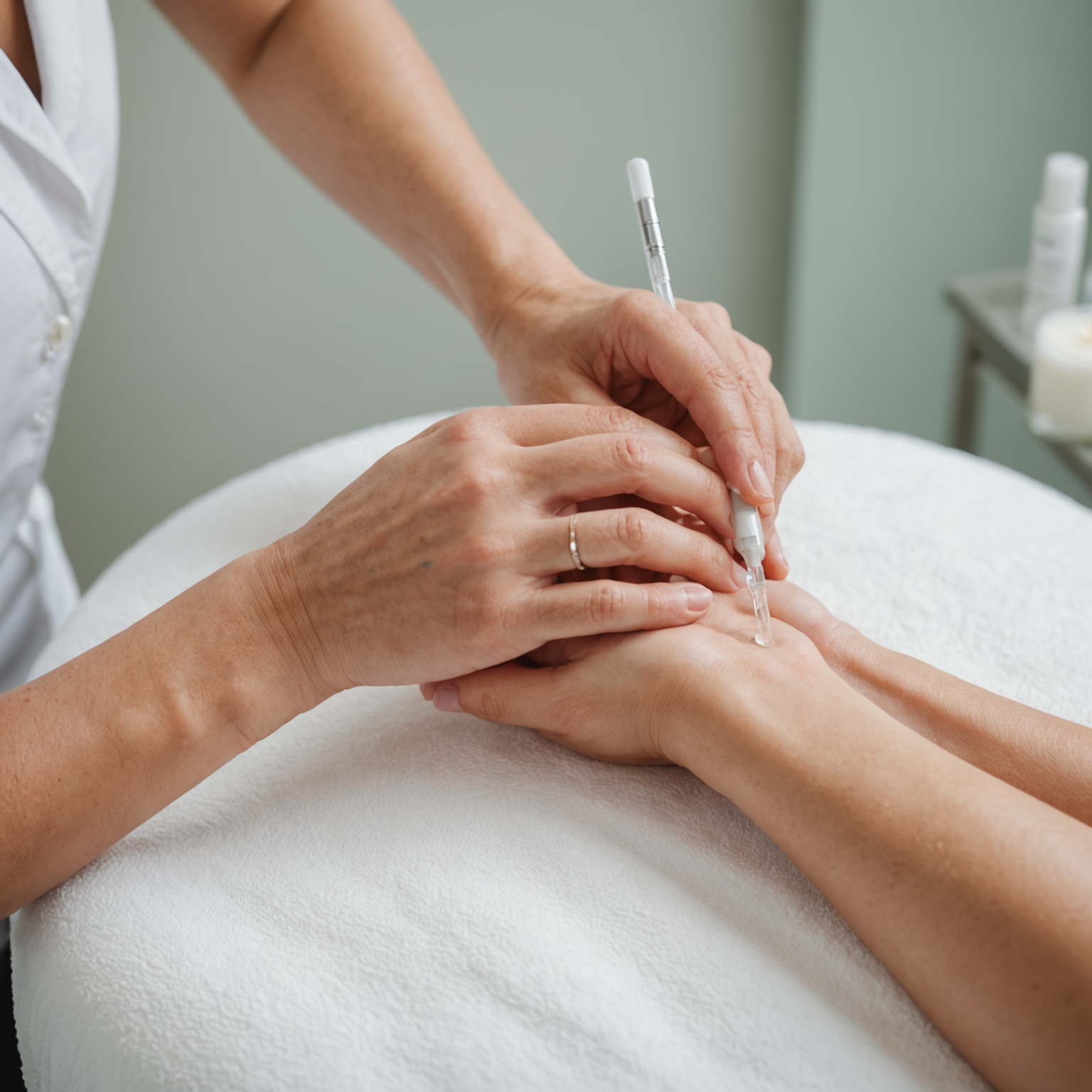
After the procedure, you might experience some mild discomfort, but this usually resolves quickly. It’s advisable to avoid touching or applying pressure to your nose for a few days to ensure the filler settles correctly. For more detailed information about the procedure, Hopkins Medicine offers a comprehensive guide.
Conclusion
Non-surgical rhinoplasty offers an appealing alternative to traditional surgery for those seeking subtle enhancements to their nose without the long recovery time. While the non-surgical rhinoplasty price is an important consideration, the benefits of minimal downtime and reversibility make it an attractive option for many. Always consult with a qualified professional to ensure this treatment aligns with your aesthetic goals. For more information about the procedure and to find a trusted practitioner, visit our contact page.
FAQ
What is the average non-surgical rhinoplasty price?
The average price ranges from $600 to $1,500, depending on factors such as the practitioner’s expertise and the type of filler used.
How long do the results last?
The effects typically last between six months and two years, varying based on the filler type and individual metabolism.
Are there any risks involved?
While generally safe, potential risks include bruising, swelling, and the possibility of asymmetry. Choosing a skilled practitioner can minimize these risks.
Can non-surgical rhinoplasty fix a crooked nose?
This procedure can improve the appearance of a crooked nose but may not be able to fix severe deviations. It’s best to consult with a specialist.
How do I choose the right practitioner?
Researching the practitioner’s credentials, reading reviews, and scheduling consultations can help ensure you choose a qualified professional. Learn more about choosing the right practitioner on our about page.
Is the procedure painful?
Most patients report minimal discomfort. A topical anesthetic is often applied to reduce any pain during the injections.
Can the results be reversed if I’m not satisfied?
Yes, certain fillers can be dissolved if the results do not meet your expectations. Discuss this option with your practitioner during the initial consultation.
For further insights into non-surgical cosmetic options, explore our in-depth articles.