Introduction
In recent years, the O-Shot has gained significant attention as an innovative treatment aimed at enhancing female sexual health and wellness. If you’re considering this procedure, you might be wondering, “Where can I find an O-Shot near me?” This blog post will guide you through the process of finding trusted clinics, understanding the benefits, risks, and costs associated with the O-Shot, and what to expect during the treatment. We’ll also provide tips on ensuring your chosen clinic meets the highest standards of safety and professionalism.
What is the O-Shot?
The O-Shot, or Orgasm Shot, is a non-surgical procedure that uses platelet-rich plasma (PRP) derived from your own blood to rejuvenate vaginal tissue. This treatment aims to improve sexual function, increase arousal, and even address urinary incontinence in some women. The procedure involves a simple blood draw, after which the PRP is injected into the vaginal area, promoting tissue growth and improved sensation. For more information on how PRP is used in medical treatments, you can visit NIH’s page on platelet-rich plasma.
Benefits of the O-Shot
The O-Shot offers several potential benefits, including:
- Enhanced Sexual Pleasure: Many women report increased orgasm intensity and frequency.
- Improved Lubrication: The treatment can help address issues with vaginal dryness.
- Reduced Urinary Incontinence: Some women experience a decrease in stress urinary incontinence symptoms.
- Increased Sensation: Enhanced sensitivity in the vaginal area can lead to improved sexual satisfaction.
For a comprehensive overview of similar treatments, you can visit WebMD’s guide on sexual health treatments.
Risks and Considerations
As with any medical procedure, the O-Shot carries potential risks and considerations. These include:
- Discomfort: Some women may experience temporary discomfort or swelling at the injection site.
- Infection: Although rare, there’s a slight risk of infection, which is why it’s crucial to choose a reputable clinic.
- Variable Results: Outcomes can vary based on individual factors, including age and overall health.
It’s essential to discuss all potential risks with a qualified healthcare provider before proceeding. For more on the safety of PRP treatments, you can refer to the FDA’s guidance on PRP.
Finding Trusted Clinics
When searching for “O-Shot near me,” it’s vital to prioritize clinics that emphasize safety, professionalism, and patient satisfaction. Here are some tips to help you find a trusted provider:
Research and Reviews
- Online Reviews: Look for clinics with positive reviews and testimonials from previous patients.
- Accreditations: Ensure the clinic is accredited and the practitioners are licensed to perform the procedure.
Consultation Services
- Initial Consultation: Many reputable clinics offer a free or low-cost initial consultation to discuss your goals and concerns.
- Transparent Pricing: Ensure the clinic provides clear information about costs and any additional fees.
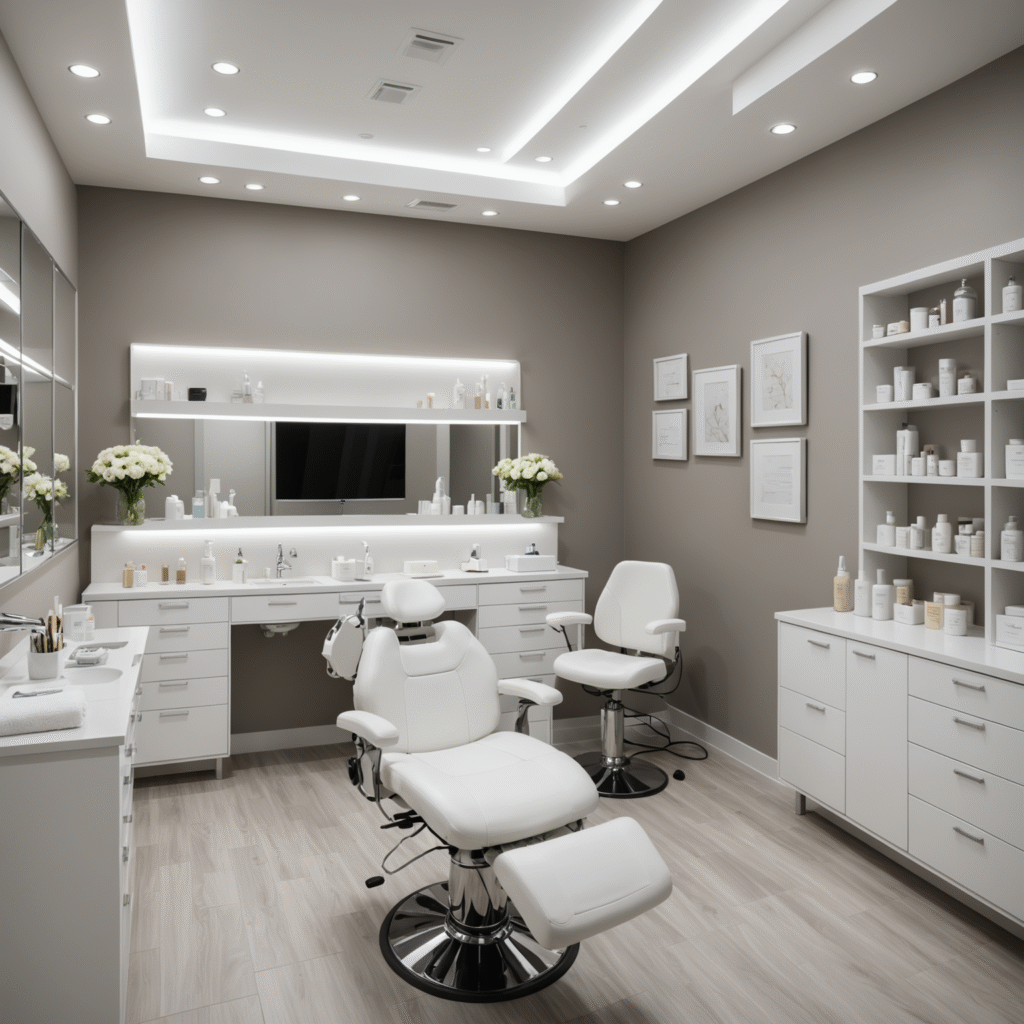
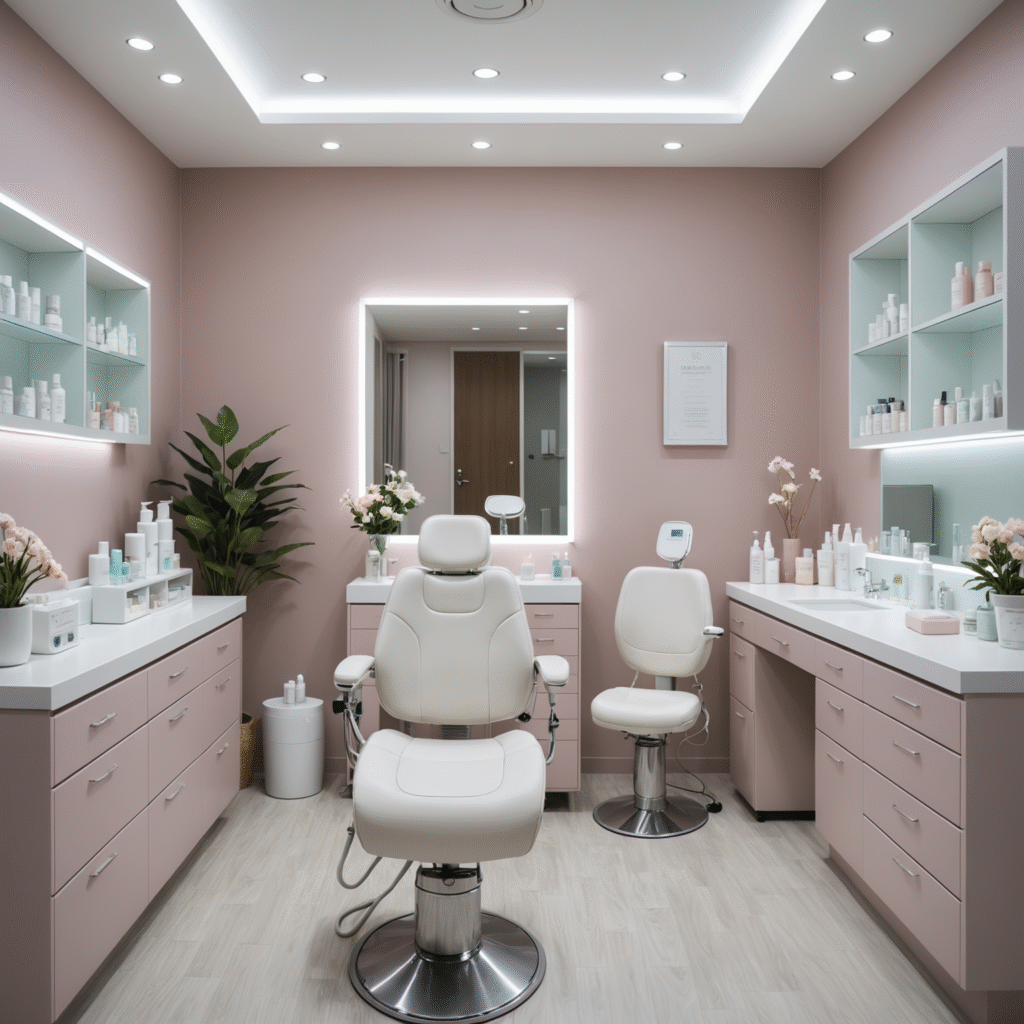
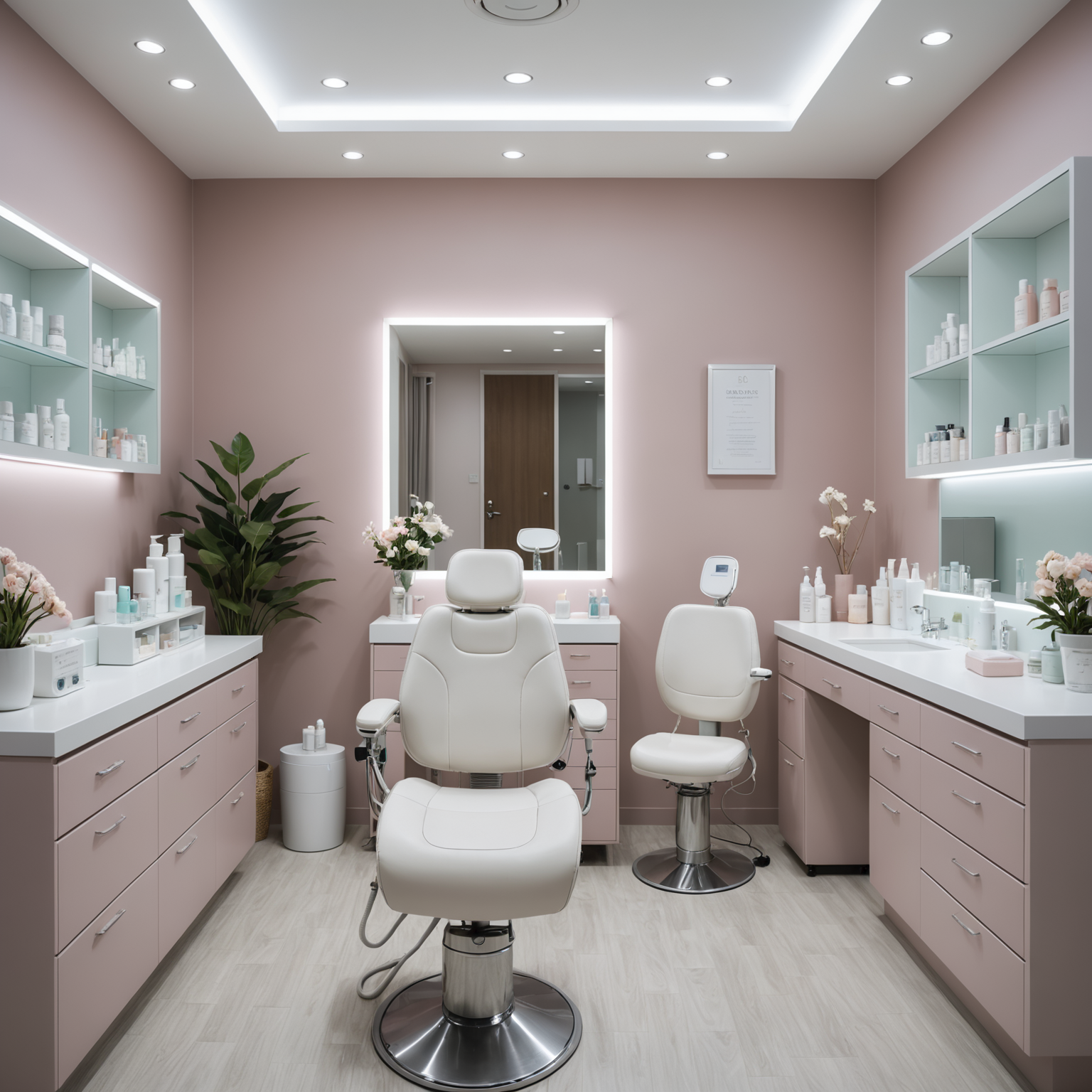
Clinic Environment
- Hygiene Standards: The clinic should adhere to strict hygiene practices to prevent infection. For more on infection prevention in medical settings, visit CDC’s infection control guidelines.
- Professional Atmosphere: The clinic should provide a welcoming and professional environment.
For further assistance in finding a reliable clinic, you can always contact us.
Costs of the O-Shot
The cost of an O-Shot procedure can vary widely based on location, clinic reputation, and the practitioner’s expertise. On average, you can expect to pay between $1,000 and $2,000. It’s important to consider the value of expertise and safety when evaluating costs. For more information on the costs and considerations of elective procedures, you can visit Mayo Clinic’s guide on elective surgeries.
Insurance and Financing
- Insurance Coverage: Most insurance plans do not cover the O-Shot as it’s considered an elective procedure.
- Financing Options: Some clinics offer financing plans to make the treatment more affordable.
What to Expect During the Procedure
The O-Shot procedure is typically quick, taking about 30 minutes to complete. Here’s what you can expect:
- Blood Draw: A small blood sample is taken from your arm.
- PRP Preparation: The blood is processed to isolate the platelet-rich plasma.
- Numbing: A numbing cream is applied to minimize discomfort.
- Injection: The PRP is injected into the vaginal area using a fine needle.
After the treatment, most women can resume normal activities immediately, though some may experience minor side effects like swelling or spotting. For more on what to expect from similar procedures, you can read Cleveland Clinic’s overview of PRP therapy.
Conclusion
Finding a trusted clinic for your O-Shot treatment is crucial to ensure safety and satisfaction. By thoroughly researching and evaluating potential providers, you can make an informed decision that aligns with your health goals. Remember to consult with healthcare professionals to fully understand the benefits and risks before proceeding.
FAQ
What is the O-Shot used for?
The O-Shot is primarily used to enhance sexual pleasure, address vaginal dryness, and reduce urinary incontinence.
How long do the effects of the O-Shot last?
The effects can vary, but many women experience benefits lasting between 12 to 18 months.
Is the O-Shot painful?
Most patients report minimal discomfort, as a numbing cream is applied before the injection.
Can anyone get the O-Shot?
It’s best suited for women experiencing sexual health concerns. A consultation with a healthcare provider is necessary to determine eligibility.
What should I do to prepare for the O-Shot?
Your provider will give specific instructions, but generally, no special preparation is needed other than avoiding blood-thinning medications.
Are there any side effects?
Some women experience temporary swelling, redness, or spotting at the injection site.
How soon can I resume sexual activity after the O-Shot?
Most providers recommend waiting 24-48 hours before resuming sexual activity.
Is the O-Shot FDA approved?
The O-Shot uses PRP, which is FDA-approved for certain medical uses, but the procedure itself is considered off-label.