
Introduction
In the ever-evolving world of skincare, microneedling has gained popularity as a minimally invasive procedure that promises rejuvenation and revitalization. Among the various microneedling technologies, Potenza microneedling stands out due to its unique approach and promising results. This comprehensive guide explores Potenza microneedling, delving into its benefits, risks, and expected outcomes.
Understanding Potenza Microneedling
Potenza microneedling is an advanced radiofrequency (RF) microneedling treatment designed to enhance skin texture and tone. Unlike traditional microneedling, which solely relies on creating micro-injuries to stimulate collagen production, Potenza combines this with RF energy to penetrate deeper layers of the skin, offering a more effective treatment. For more on how microneedling works, you can refer to WebMD’s overview of microneedling.
How Does Potenza Microneedling Work?
Potenza microneedling uses ultrafine needles combined with RF energy to create controlled micro-injuries in the skin’s dermis. The RF energy heats the underlying layers, stimulating the natural healing process and promoting collagen and elastin production. This dual-action technique helps in tightening the skin, reducing fine lines, and improving overall texture. You can learn more about the benefits of RF energy in skincare from Healthline’s article on RF treatments.
Benefits of Potenza Microneedling
Enhanced Skin Tightening: The combination of microneedling and RF energy promotes significant skin tightening, making it an excellent choice for aging skin.
Improved Texture and Tone: By stimulating collagen and elastin, Potenza microneedling smoothens fine lines and wrinkles and evens out skin tone. For more details on how collagen affects skin health, visit NIH’s page on collagen.
Minimized Pore Size: The treatment helps in reducing the appearance of large pores, giving the skin a refined look.
Versatile Treatment Areas: Potenza can be used on various body parts, including the face, neck, and décolletage, offering versatile treatment options.
Minimal Downtime: Compared to more invasive procedures, Potenza microneedling requires minimal recovery time, allowing patients to resume their daily activities quickly.
Potential Risks and Side Effects
Like any cosmetic treatment, Potenza microneedling is not without its risks. Here are some potential side effects:
Temporary Redness and Swelling: Post-treatment, redness and swelling are common but usually subside within a few days. For general post-treatment care tips, see Cleveland Clinic’s advice on microneedling recovery.
Minor Skin Irritation: Some patients might experience skin irritation or a mild rash, which typically resolves quickly.
Infection Risk: Although rare, there’s a slight risk of infection if post-treatment care instructions are not followed properly. For more on preventing infections, refer to CDC’s guidelines on skin infections.
Pigmentation Changes: There’s a possibility of temporary hyperpigmentation, especially in individuals with darker skin tones. For more information on skin pigmentation, visit AAD’s page on skin pigmentation disorders.
What to Expect During a Potenza Microneedling Session
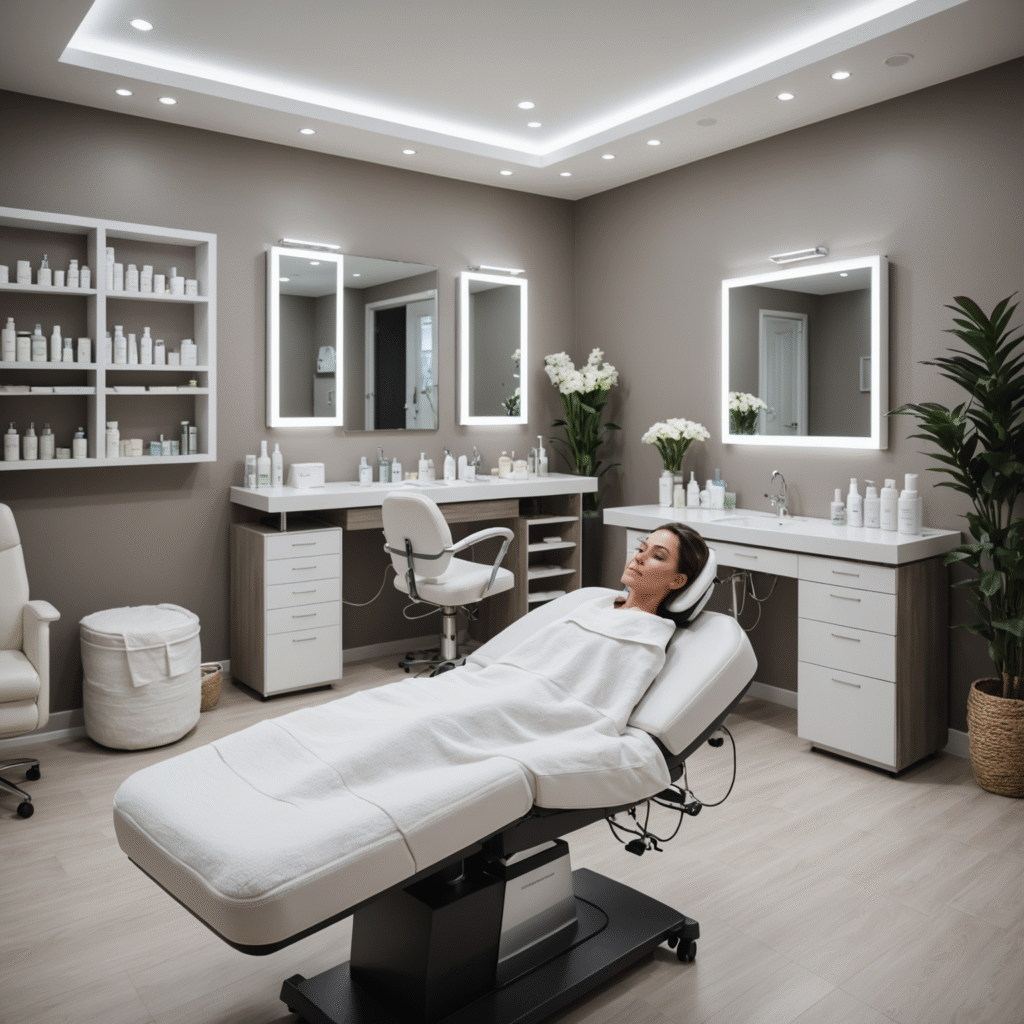
A typical Potenza microneedling session begins with a thorough cleansing of the treatment area, followed by the application of a numbing cream to minimize discomfort. The procedure itself takes approximately 30 to 45 minutes, depending on the size of the area being treated. Post-procedure, a soothing serum or balm is often applied to calm the skin and accelerate healing. For more details on what to expect, see Mayo Clinic’s overview of microneedling.
Conclusion
Potenza microneedling represents a powerful advancement in the realm of skincare, offering a dual-action approach to combat signs of aging and improve skin texture. While it provides numerous benefits with minimal downtime, it’s crucial to consult with a qualified professional to determine if it’s the right treatment for your skin type and concerns. For further reading on skin care advancements, check out NIH’s research on skin treatments.