
Introduction
Vivace Microneedling is rapidly gaining popularity in the field of cosmetic dermatology due to its innovative approach to skin rejuvenation. Combining the precision of microneedling with the power of radiofrequency (RF) energy, Vivace offers a minimally invasive solution to enhance skin texture, tone, and elasticity. This treatment is lauded for its ability to address a range of skin concerns, from fine lines and wrinkles to acne scars and enlarged pores. However, like any cosmetic procedure, it comes with its own set of benefits and risks that are worth exploring before considering treatment.
Understanding Vivace Microneedling
What is Vivace Microneedling?
Vivace Microneedling is a skin treatment that utilizes a microneedling device equipped with tiny needles that create micro-injuries in the skin. These micro-injuries stimulate the body’s natural healing processes, promoting collagen and elastin production. The addition of RF energy to this process enhances the effects by delivering heat to the deeper layers of the skin, tightening tissue and further stimulating collagen production. For more on how collagen affects skin health, you can visit NIH’s page on collagen.
How Does It Work?
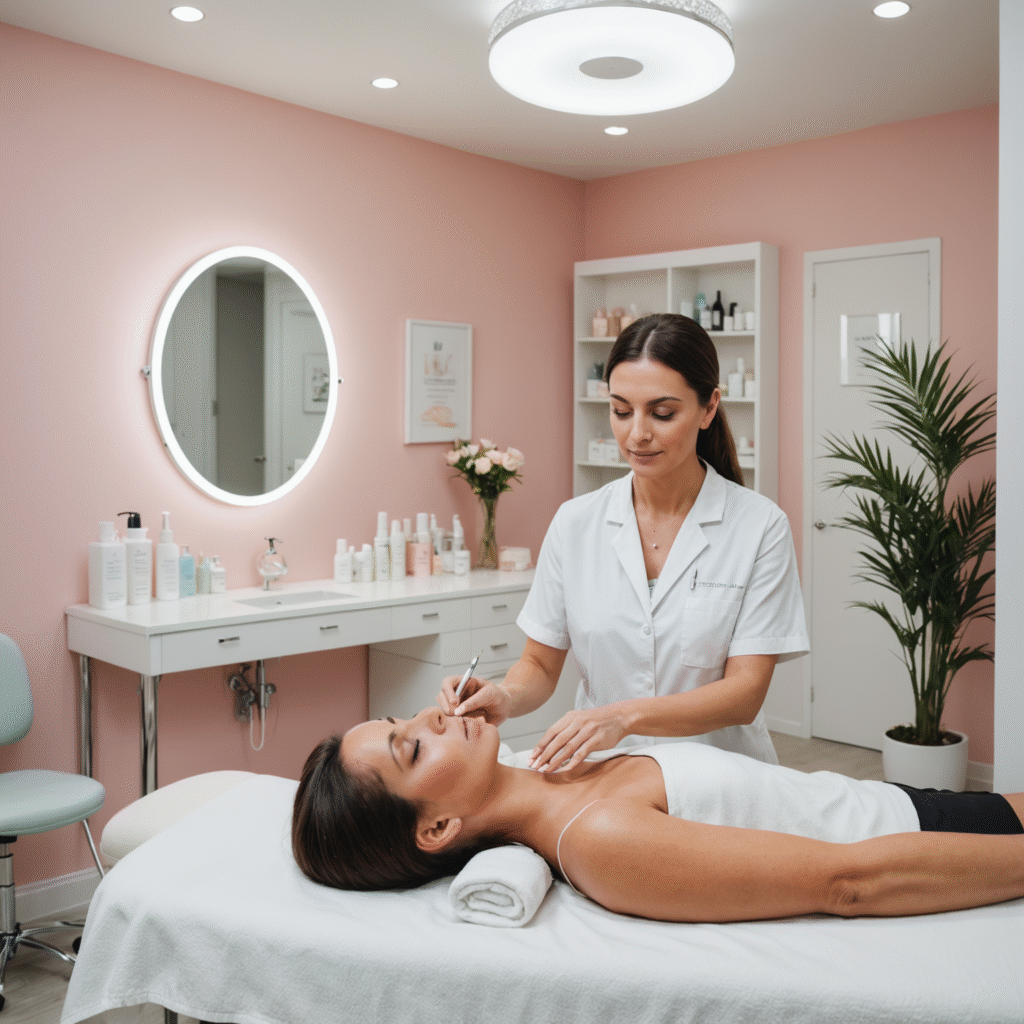
The procedure begins with the application of a topical numbing cream to ensure comfort. The Vivace device is then passed over the skin, allowing the microneedles to penetrate while simultaneously delivering RF energy. This dual-action approach not only boosts collagen production but also improves skin texture and tone. The treatment is customizable, with needle depth and RF energy levels adjustable to suit individual skin types and concerns. For more information on microneedling, visit Cleveland Clinic’s microneedling overview.

Benefits of Vivace Microneedling
- Improved Skin Texture and Tone: The combination of microneedling and RF energy promotes smoother, firmer skin by stimulating collagen and elastin production.
- Minimized Pores and Scars: Over time, patients often notice a reduction in pore size and the appearance of acne scars.
- Reduced Fine Lines and Wrinkles: The treatment helps in softening fine lines and wrinkles, providing a more youthful appearance.
- Customizable Treatments: The ability to adjust settings for different skin types and concerns makes Vivace a versatile option for various patients.
- Minimal Downtime: Patients typically experience only mild redness post-treatment, which subsides quickly, allowing them to return to normal activities.
Risks and Considerations
While Vivace Microneedling is generally safe, it is not without potential risks:
- Skin Irritation: Some individuals may experience temporary redness, swelling, or itching post-treatment. For more on skin irritation, see WebMD’s article on skin reactions.
- Infection Risk: As with any procedure involving skin penetration, there’s a slight risk of infection if post-care instructions are not followed. Learn more about infection prevention from the CDC.
- Not Suitable for Everyone: Individuals with certain skin conditions or who are pregnant should consult with a healthcare provider before undergoing treatment. For more on skin conditions, visit AAD’s page on skin diseases.
Comparing Vivace to Other Treatments
Vivace Microneedling is often compared to other rejuvenation techniques such as Botox and chemical peels. While Botox effectively reduces wrinkles by relaxing muscles, Vivace focuses on enhancing skin structure and quality over time. Unlike chemical peels, which can cause significant peeling and downtime, Vivace’s downtime is minimal. For more on Botox, visit Mayo Clinic’s Botox overview.
Conclusion
Vivace Microneedling represents a significant advancement in cosmetic skin treatments, offering a combination of microneedling and RF energy for enhanced results. It is ideal for individuals seeking to improve skin texture, minimize pores, and reduce signs of aging with minimal recovery time. However, understanding the potential risks and consulting with a qualified professional is essential to determine if it’s the right treatment for you.
FAQ
What is the recovery time for Vivace Microneedling?
The recovery time is generally minimal. Most patients experience mild redness that subsides within a few hours to a day.
How many sessions are needed for optimal results?
While results can be seen after just one session, a series of 3-4 treatments spaced a month apart is typically recommended for optimal results.
Is Vivace Microneedling painful?
Thanks to the application of a topical numbing cream, discomfort is minimal during the procedure.
Can Vivace Microneedling be combined with other treatments?
Yes, Vivace is often combined with other treatments like Botox for comprehensive rejuvenation.
Who should avoid Vivace Microneedling?
Those who are pregnant, have active skin infections, or certain skin conditions should avoid this treatment. A consultation with a healthcare professional is advised.
Are the results of Vivace Microneedling permanent?
While the results are long-lasting, maintenance sessions may be needed every 6-12 months to sustain the results.
What should I do before and after the treatment?
Prior to treatment, avoid sun exposure and discontinue any retinoids. Post-treatment, keep the skin clean, avoid sun exposure, and follow any specific aftercare instructions provided by your provider.
Where can I find a Vivace Microneedling provider?
For those in the U.S., you may explore listings for skincare professionals offering Vivace Microneedling. Always ensure your provider is certified and experienced in performing the procedure.