
Introduction
In recent years, Botox has become an increasingly popular cosmetic treatment for those looking to reduce the appearance of fine lines and wrinkles. If you’ve found yourself searching for “who does Botox near me,” you’re not alone. With numerous clinics and practitioners offering Botox services, it can be challenging to find a trusted, safe, and professional provider. This guide aims to assist you in navigating your options, understanding the benefits and risks, and making an informed decision.
Understanding Botox: The Basics
Botox, or Botulinum Toxin, is a neurotoxic protein used in small doses to treat various medical and cosmetic conditions. When injected, Botox temporarily paralyzes muscles, reducing the appearance of wrinkles and fine lines, particularly in areas such as the forehead, around the eyes, and smile lines. The treatment is non-invasive, quick, and requires minimal downtime, making it a popular choice for many. For more information on how Botox works, you can visit Mayo Clinic’s Botox overview.
Finding Trusted Botox Clinics Near You
When searching for a Botox provider, consider the following factors to ensure you find a reputable and qualified clinic:
Professional Qualifications and Experience: Verify the credentials of the practitioner. They should be a licensed medical professional, such as a dermatologist, plastic surgeon, or trained aesthetic nurse, with significant experience in administering Botox. You can learn more about choosing a qualified provider from the American Society of Plastic Surgeons.
Clinic Reputation: Research online reviews and testimonials. Look for clinics with positive feedback regarding their services, results, and customer care. Websites like Healthgrades and RealSelf can provide valuable insights from other patients.
Consultation Services: Opt for clinics that offer a pre-treatment consultation. This session should cover your medical history, treatment expectations, and any potential side effects. It’s also an opportunity to ask questions and gauge your comfort level with the practitioner. The Cleveland Clinic offers detailed information on what to expect during a Botox consultation.
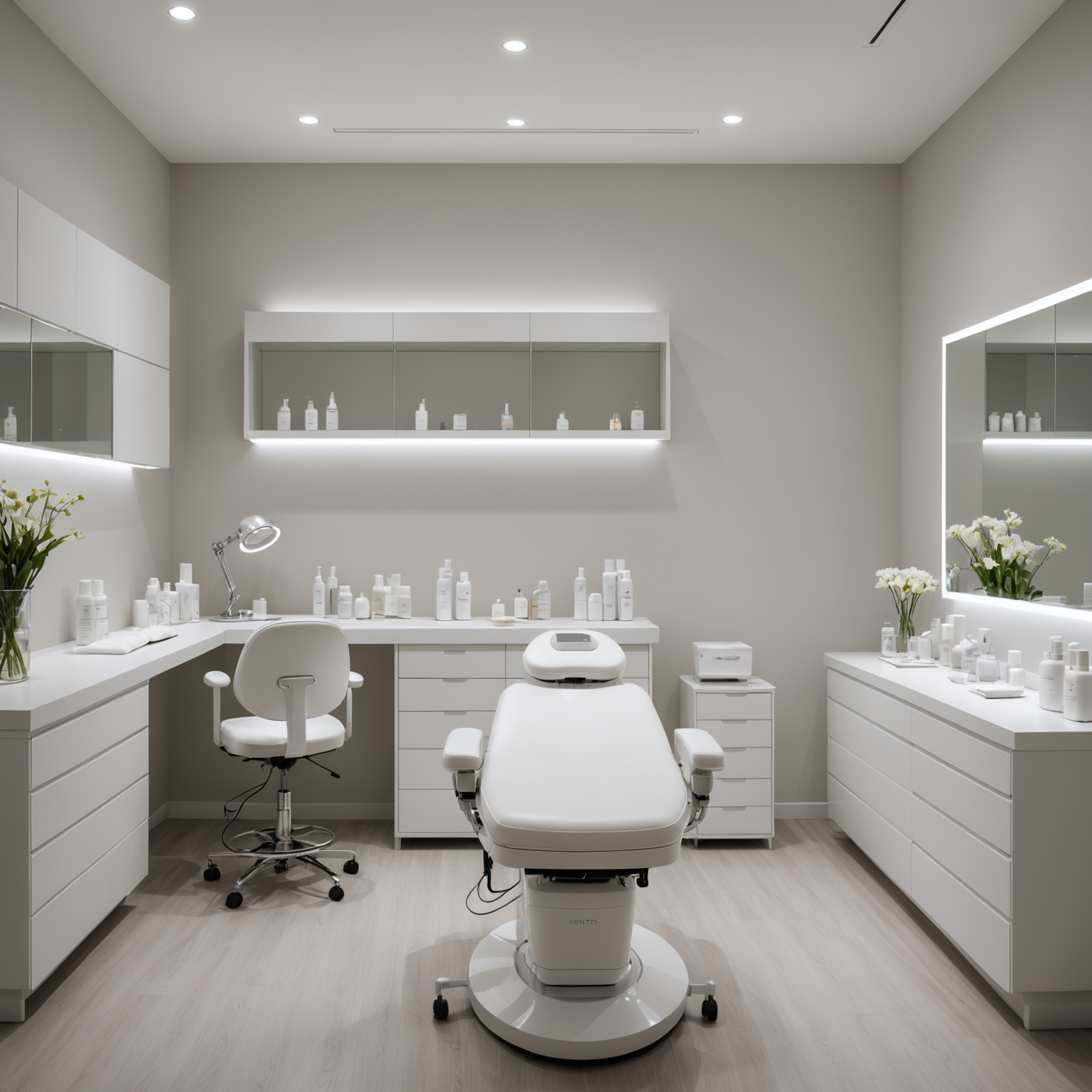
Safety and Hygiene Standards: A reputable clinic will adhere to strict safety and hygiene protocols. The treatment room should be clean, and the practitioner should use sterile tools and wear appropriate protective gear. The Centers for Disease Control and Prevention (CDC) provides guidelines on maintaining hygiene standards in healthcare settings.
- Post-Treatment Care: Reliable clinics will provide thorough aftercare instructions and follow-up support. Understanding what to expect after your Botox treatment, such as the timeline for visible results and potential side effects, is crucial for a positive experience. For more on post-treatment care, visit WebMD’s Botox aftercare guide.
Benefits and Risks of Botox
Benefits
- Quick and Convenient: Botox treatments are typically completed within 15-30 minutes, making it a convenient option for busy individuals.
- Minimal Downtime: Most patients can resume normal activities immediately after treatment.
- Proven Results: Botox is FDA-approved and has a long track record of safety and efficacy in reducing wrinkles.
Risks
- Side Effects: Some patients may experience mild bruising, swelling, or redness at the injection site.
- Temporary Results: The effects of Botox generally last 3-6 months, necessitating repeat treatments for maintenance.
- Potential for Unnatural Appearance: If not administered by an experienced professional, Botox can result in an unnatural or “frozen” look.
Cost Considerations
The cost of Botox varies based on factors such as geographic location, the amount of product used, and the practitioner’s expertise. On average, Botox costs range from $10 to $20 per unit, with most treatments requiring between 20 and 60 units. It’s important to prioritize quality and safety over cost; opting for the cheapest provider may compromise your results and safety. For more cost-related information, Healthline provides a comprehensive guide on Botox pricing.
Conclusion
Choosing the right Botox provider involves careful research and consideration. By focusing on professional qualifications, clinic reputation, and clear communication, you can find a trusted clinic that meets your needs. Remember, a successful Botox treatment depends not only on the skill of the practitioner but also on following proper aftercare and maintenance protocols.
FAQ
What should I expect during my first Botox appointment?
Your first appointment will typically involve a consultation to discuss your goals, medical history, and any concerns. The actual injection process is quick, often completed in under 30 minutes.
How soon will I see results after my Botox treatment?
Results typically begin to appear within 3-7 days post-treatment, with full effects visible within two weeks. For more on timelines, check out how long Botox takes to work.
Can I exercise after getting Botox?
It’s generally recommended to avoid strenuous exercise for at least 24 hours after Botox to prevent the product from migrating. For more details, read about exercise after Botox.
Are there any long-term effects of Botox?
Long-term use of Botox is considered safe, though some may experience a gradual decrease in muscle strength in treated areas over time. It’s crucial to follow professional guidance and maintain regular consultations. For more on the safety of long-term Botox use, see NIH’s research.
How do I know if a Botox clinic is reputable?
Check for professional certifications, read patient reviews, and ensure the clinic follows stringent safety and hygiene protocols. A reputable clinic will also offer a comprehensive consultation and post-treatment care.
What areas can Botox treat?
Botox is commonly used to treat forehead lines, crow’s feet, and frown lines. It can also be used for other areas like the neck and chin. Learn more about specific treatments like crows feet Botox.
Is Botox painful?
Most patients experience only minor discomfort during the procedure, often described as a slight pinching sensation. Topical anesthetics can be used to minimize discomfort if necessary.
How do I choose between different types of Botox treatments?
Consult with your practitioner about the specific areas you want to treat and your desired outcomes. Different formulations and techniques may be recommended based on your individual needs and goals.